EN
EN

What are the advantages and application scenarios of WPC flooring?
Time : 2026-04-03
Wood-Plastic Composites (WPC) have emerged as a novel material gaining prominence in the flooring sector. Flooring products crafted from this composite material combine the natural aesthetic appeal of wood with the durability and practicality of plastic. Driven by a growing demand for low-maintenance, sustainable, and versatile flooring solutions, WPC flooring has become increasingly popular.
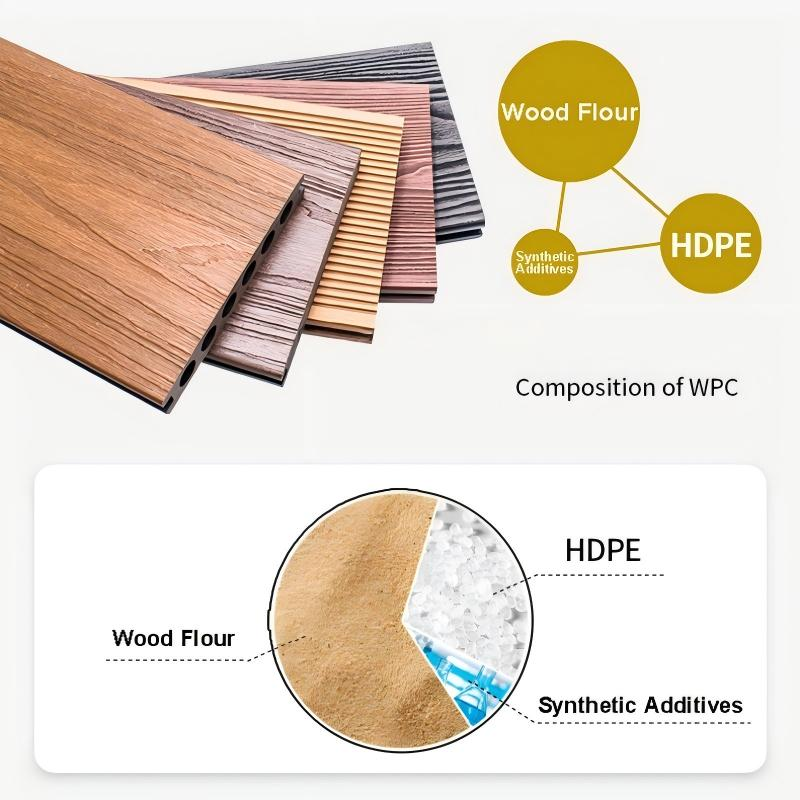
WPC flooring—specifically, wood-plastic composite flooring—is manufactured by blending natural wood fibers (such as wood flour or bamboo powder) with thermoplastic polymers HDPE . This mixture is then processed through extrusion or molding techniques, supplemented by additives such as anti-aging agents and stabilizers. This unique compositional blend endows the material with a range of distinct advantages, allowing its performance to surpass that of traditional flooring materials—including solid wood, laminate flooring, and even ceramic tiles.
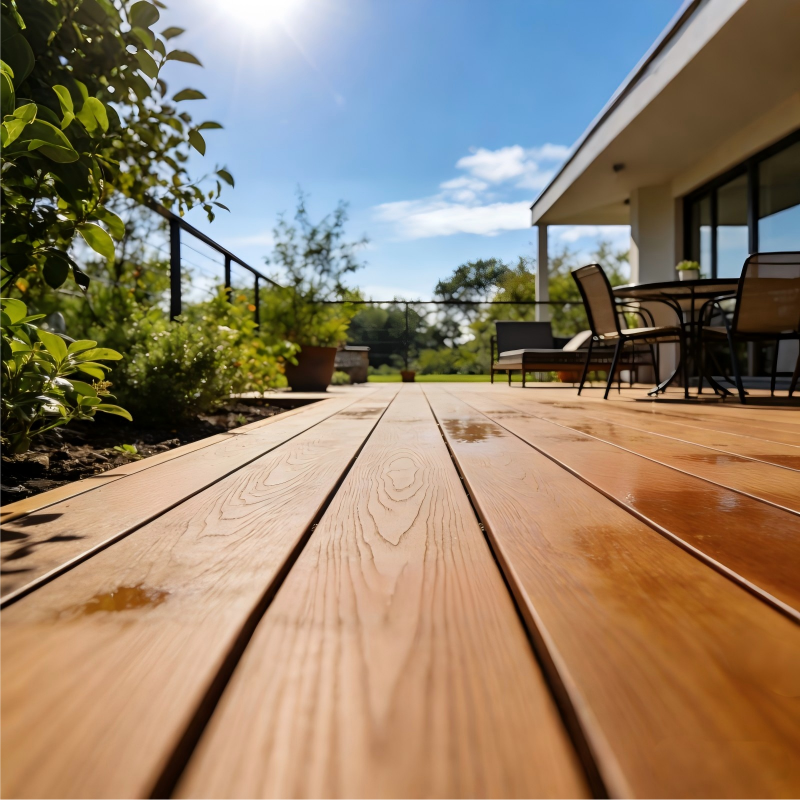
WPC flooring is frequently utilized in outdoor settings; its superior water- and moisture-resistant properties distinguish it significantly from solid wood flooring. While solid wood flooring is highly susceptible to warping, swelling, or mold growth upon exposure to moisture, the plastic components within WPC flooring form an impermeable barrier that effectively prevents water penetration. Laboratory test results demonstrate that high-quality WPC flooring exhibits an expansion rate of only approximately 0.5% after being submerged in water for up to 72 hours—a figure far lower than the expansion rate of over 5% typically observed in solid wood flooring. This characteristic makes it an ideal flooring material for use in humid environments.
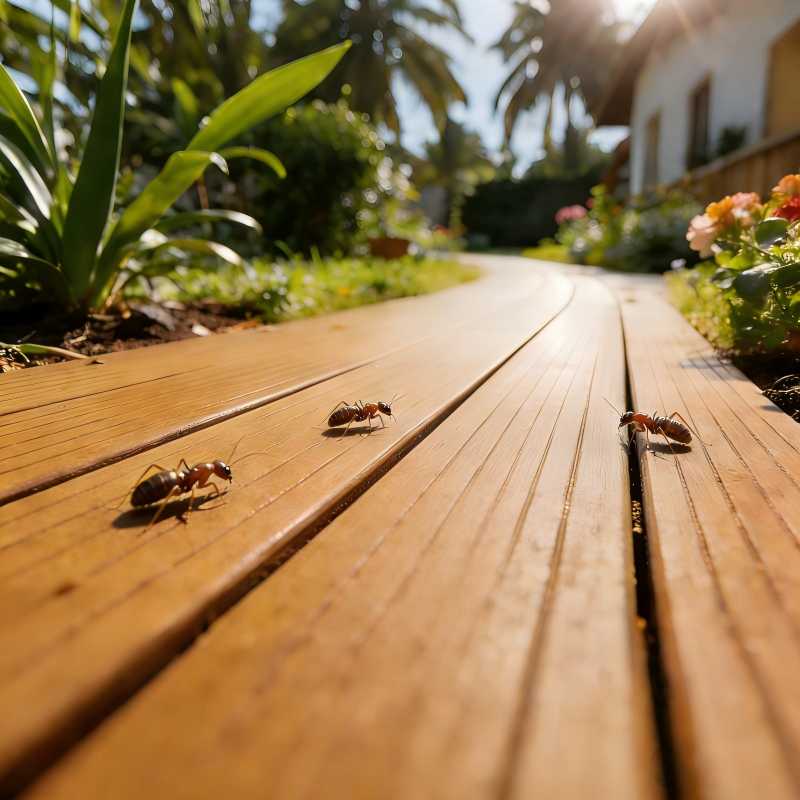
WPC flooring boasts exceptional durability; its surface is typically coated with a high-strength wear layer capable of withstanding over 10,000 abrasion cycles—a standard that far exceeds the requirements of daily use (which typically demand only 6,000 cycles). Furthermore, WPC flooring offers excellent resistance to pests; because its composition contains no fibrous materials that termites or wood-boring insects can consume, it is particularly well-suited for use in ground-floor residences or outdoor spaces. Moreover, WPC flooring exhibits outstanding dimensional stability; its coefficient of thermal expansion and contraction is significantly lower than that of solid wood flooring, allowing it to maintain its original form—and thereby prevent warping or cracking—even across a wide temperature range spanning from -30°C to 60°C.
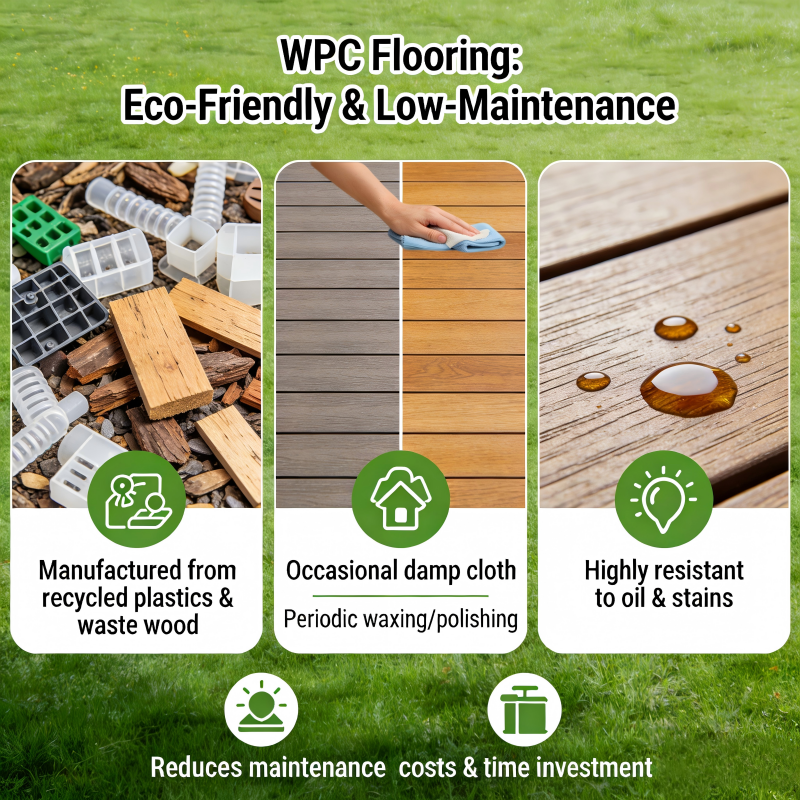
WPC flooring is highly favored for its eco-friendly properties and low maintenance requirements. Most WPC products are manufactured using recycled plastics and waste wood, a practice that not only helps reduce landfill waste but also aligns perfectly with the global trend toward sustainable living. Unlike solid wood flooring—which necessitates periodic waxing, polishing, or refinishing—WPC flooring requires nothing more than an occasional wipe-down with a damp cloth to maintain a pristine, like-new appearance. Its surface is highly resistant to the penetration of oil and stains, thereby significantly reducing both maintenance costs and the time investment required.
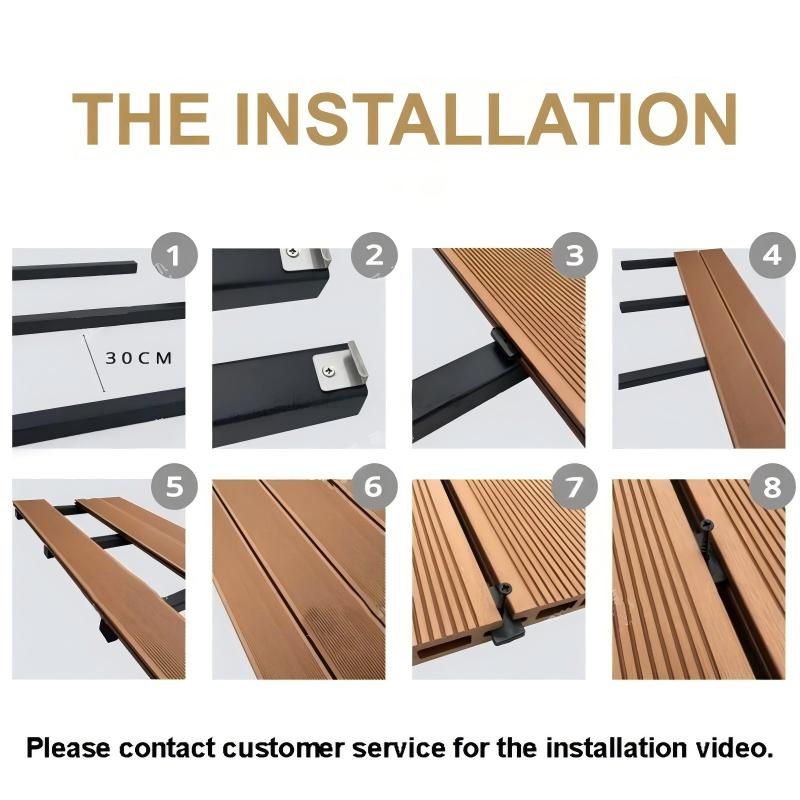
For WPC floor installation, first level and compact the ground, make a drainage slope, lay and fix anti-corrosion keels, reserve 8-10mm expansion gaps between walls and keels to adapt to outdoor temperature and humidity changes, then splice floors with locks, fix them on keels with special screws with staggered joints ≥300mm, finally install outdoor special skirting lines, clean the site and check the floor flatness.
WPC flooring is frequently utilized in residential outdoor living areas, including balconies, backyards, and garden patios. During the manufacturing process, WPC flooring is specially infused with UV-resistant additives, effectively preventing fading or brittleness caused by prolonged exposure to sunlight. This ensures that, even under direct sunlight, the flooring retains its rich, lifelike wood-grain color and texture for over a decade. For homeowners, this translates to a low-maintenance outdoor space that requires no periodic staining, sealing, or sanding. Simple cleaning with a damp cloth is all that is needed to remove dirt and keep the flooring looking as good as new.
WPC flooring is ideally suited for use around swimming pools and in water-adjacent areas. Flooring materials intended for pool decks must possess non-slip and waterproof properties, and be capable of withstanding prolonged exposure to humid environments as well as continuous contact with chlorinated or saltwater. Featuring a dense plastic core, WPC flooring effectively prevents moisture penetration, thereby eliminating the risks of mold growth, bacterial accumulation, and rot. Its non-slip surface design significantly reduces the risk of accidents, even when wet. Whether for private residential pools or commercial pools in hotels and resorts, WPC flooring serves as an ideal choice, enhancing the overall aesthetic appeal of the space while ensuring safety.
WPC flooring is well-suited for use in coastal regions due to its resistance to saltwater corrosion. While traditional wood flooring is highly susceptible to rapid deterioration and damage in saltwater environments, the plastic components within WPC flooring form a protective barrier that effectively withstands the corrosive effects of saltwater. This makes it an ideal choice for beachfront homes, coastal patios, and seaside boardwalks. Furthermore, WPC flooring is resistant to damage caused by sand and salt spray, requiring minimal maintenance even in such harsh environments.
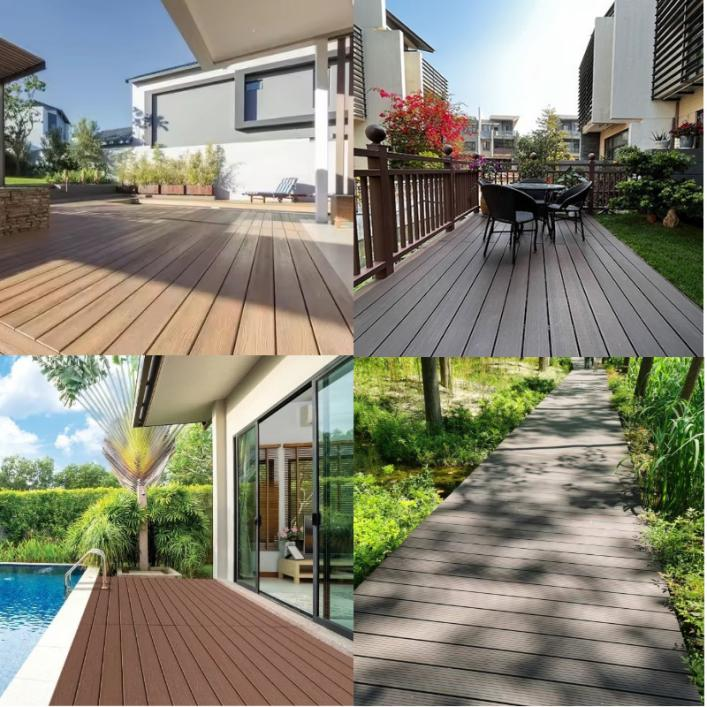
Overall, WPC flooring stands out as the preferred choice for outdoor decking, thanks to its exceptional weather resistance, durability, low maintenance requirements, and authentic wood-like appearance. Its comprehensive performance far surpasses that of traditional outdoor paving materials, enabling it to truly stand the test of time.