 EN
EN

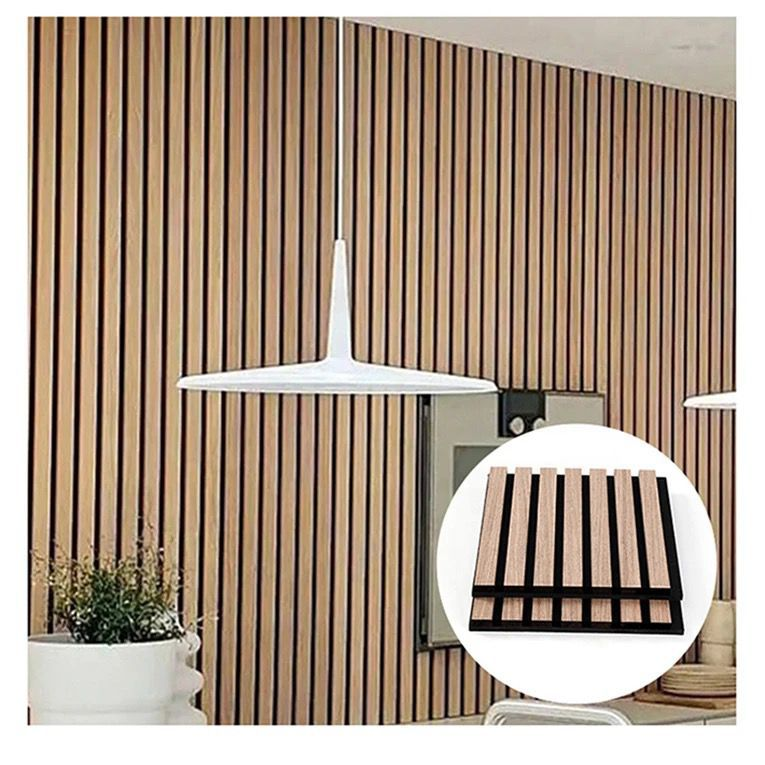
Transforming Spaces with Acoustic Wall Panels: From Office Noise to Studio Clarity
For architects and interior designers, the visual aesthetics of a space are only half the equation. The way a room sounds profoundly impacts how people feel, communicate, and work within it. In modern open-plan offices, the clash of keyboards and chatter creates a distracting environment that undermines productivity. In classrooms, echoing walls make it difficult for young students to decipher their teacher's words. And in professional recording studios, poor room acoustics can ruin an otherwise flawless performance. Acoustic wall panels have emerged as one of the most effective solutions to these challenges. By absorbing sound energy rather than reflecting it, these panels tame reverberation, clarify speech, and create a more comfortable auditory environment. Understanding how these panels work, and where they should be placed, is the key to transforming a noisy room into a functional, acoustically balanced space.
The Physics of Sound and the Problem of Uncontrolled Reverberation
When sound waves hit a hard, flat surface like a sheet of glass or a concrete wall, they bounce back into the room. This reflection, if repeated across multiple surfaces, creates a lingering echo that quickly builds into a constant, low-frequency drone. In an open-plan office, this uncontrolled reverberation acts as a curtain of noise. It masks the voices of colleagues, forcing employees to strain to hear one another. The psychological effect is significant; cognitive tasks requiring deep focus become exhausting, and team members often find themselves asking others to repeat themselves. This breakdown in communication is not just an annoyance; it is a direct drag on business efficiency and employee well-being. Acoustic wall panels interrupt this physical process. Their porous, fibrous structure allows sound energy to enter the material, where it is trapped and converted into small amounts of heat. By absorbing these reflections at their source, the panels lower the overall noise level and restore a sense of calm to the workspace.
Strategic Placement for Maximum Acoustic Benefit
The effectiveness of acoustic wall panels depends heavily on their placement. Simply covering a wall with random panels will not solve the acoustic problem. Effective treatment requires an analysis of the room's primary reflection paths. In most offices, the sound energy that originates at a desk travels outward and bounces off the nearest wall before returning to the listener. If an acoustic panel is installed at that exact first-reflection point, it can absorb a significant portion of the disruptive echo. In large, open spaces with high ceilings, suspended ceiling baffles are also essential. These vertical panels hang from the ceiling and intercept sound waves that travel upward, preventing them from reflecting down onto the workstations. When panels are placed strategically at ear height near desks, along corridors, and on the ceiling, the reverberation time can be drastically reduced, creating localized pockets of acoustic clarity.
Choosing the Right Material for Absorption
Not all acoustic panels are created equal. The ability of a panel to absorb sound is measured by its Noise Reduction Coefficient, or NRC. This rating calculates the average absorption across a range of frequencies. Panels with an NRC of 0.85 or higher are considered highly effective. These are typically made from compressed mineral wool or high-density acoustic foam, materials that are engineered with a complex internal structure designed to trap sound waves. However, in a modern commercial office, aesthetics are just as important as function. Lightweight panels wrapped in designer fabrics are now widely available. These panels maintain a high NRC rating while providing a clean, professional appearance. In offices that are frequently reconfigured, modular panels with integrated mounting rails allow the design to evolve alongside the floor plan without requiring a complete acoustic renovation.
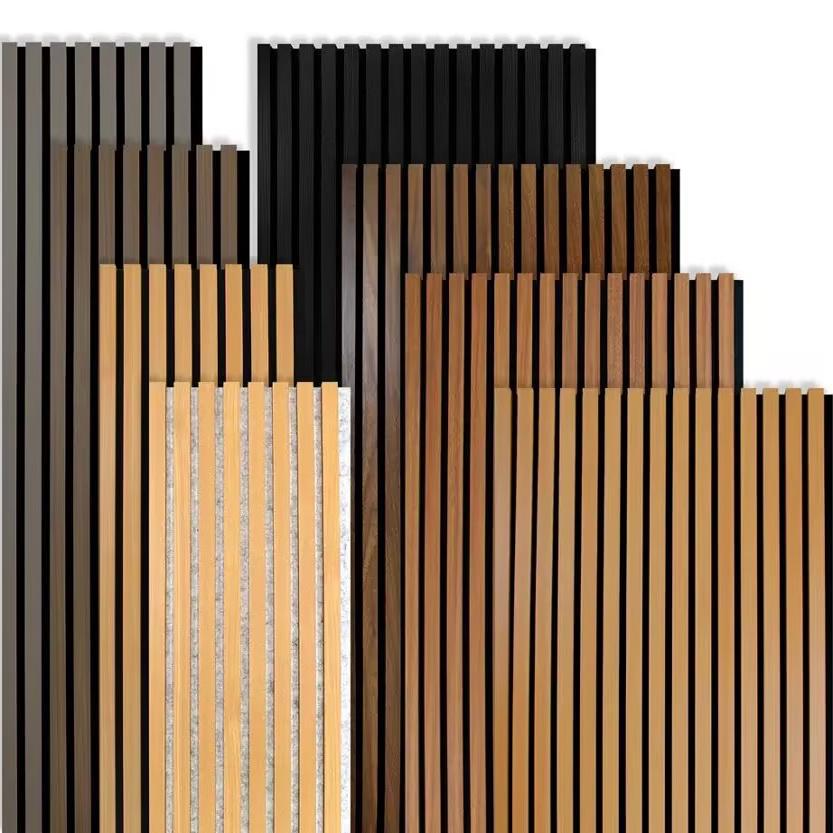
Creating Clear Learning Environments for Every Student
The impact of acoustic panels is particularly profound in educational settings. In an untreated classroom, the teacher's voice reflects off the hard walls and ceiling, causing syllables to overlap and blur. For a child, especially in the early grades, this auditory blur makes it incredibly difficult to focus on the spoken instruction. Cognitive resources are diverted away from learning and toward simply decoding the sounds. The challenge is even more acute for children learning English as a second language, who rely on clear phonetic distinctions to acquire new vocabulary. Installing acoustic panels on the rear wall, behind the teacher, and along the upper side walls dramatically improves the clarity of the spoken word. These panels absorb the reflections that smear consonants, allowing the teacher's voice to reach the students with crisp, distinct detail. When the reverberation time in a classroom is lowered to the recommended standard, the percentage of students who comprehend the lesson increases significantly.
Achieving Superior Audio Quality in Conference and Recording Spaces
In the business world, the conference room is the stage for critical discussions and negotiations. If the room is acoustically untreated, the voices of remote participants become muffled, and key points get lost in the echo. Companies often invest in expensive, high-fidelity microphones to solve this problem, only to discover that the microphones are simply capturing the room's acoustic flaws with greater accuracy. The microphone does not fix the echo; it amplifies it. To achieve clear, crisp audio for video conferencing, the room itself must be treated. Acoustic panels placed at the primary reflection points capture the sound that would otherwise bounce off the walls and contaminate the microphone feed. In professional audio production studios, the stakes are even higher. Unchecked reflections can obscure the subtle harmonics of a voice or instrument. A well-treated studio uses a hybrid system of wall panels and corner bass traps to control both mid-frequency reflections and low-frequency buildup, ensuring the recording captures nothing but the pure sound of the performance.
Enhancing Hospitality and Healthcare Experiences
Beyond the office and the classroom, acoustic panels play a vital role in shaping the guest experience in hospitality and healthcare environments. In a busy restaurant, a high level of background noise creates a stressful atmosphere. Customers feel rushed, and their dining experience is diminished. In a hospital, excessive noise is a serious impediment to patient recovery. It disrupts sleep and increases stress, which can slow healing and raise anxiety levels. By strategically placing acoustic panels in lobbies, dining areas, and patient rooms, facility managers can lower ambient noise levels. This acoustic refinement allows for intimate conversations in a restaurant and creates a truly quiet, restful environment for hospital patients. These subtle improvements in the auditory environment support measurable improvements in guest satisfaction and patient outcomes.
How Manufacturing Quality Determines Acoustic Reliability
Ultimately, the acoustic performance of a wall panel depends on the integrity of the manufacturing process. The density of the core material, the uniformity of the fabric wrapping, and the quality of the adhesive all contribute to the panel's ability to absorb sound consistently over many years. Manufacturers who adhere to recognized quality management standards, such as ISO 9001, conduct rigorous acoustic impedance testing on every production batch. They ensure that the panels meet the NRC ratings claimed on their product specifications. For an architect who specifies acoustic panels to meet a strict performance standard, sourcing from a disciplined, quality-focused manufacturer provides the ultimate confidence that the space will perform exactly as designed.