 EN
EN

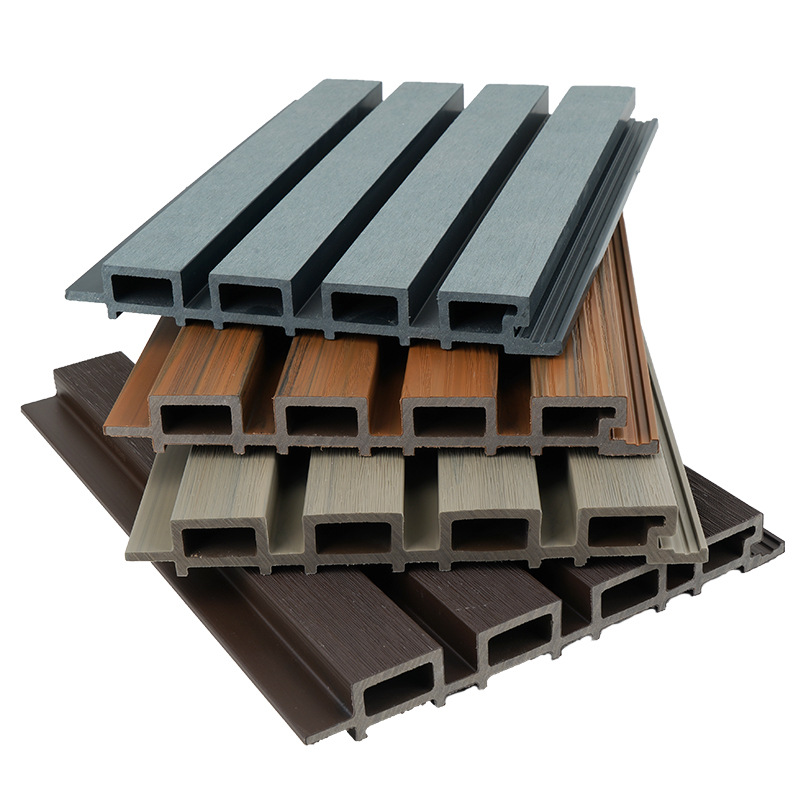
The Critical Role of Weatherproofing in Exterior Wall Cladding
For architects, building owners, and facility managers, the exterior cladding of a building is far more than a decorative skin. It is the primary shield that protects the structural envelope from the relentless assault of the environment. Rain, UV radiation, and the constant cycle of freezing and thawing exert immense stress on the facade. If the cladding system is not designed to resist these elements, the consequences are severe. Moisture infiltration leads to corrosion of steel framing, rot in wood structures, and the growth of mold inside the wall cavity. Prolonged sun exposure fades colors, degrades protective coatings, and causes cracking. Investing in materials with proven weatherproofing and anti-aging performance is not a cosmetic choice; it is a fundamental decision that determines the building’s safety, longevity, and long-term financial performance.
Understanding the High Cost of Premature Failure
When a cladding system fails prematurely, the financial burden falls heavily on the building owner. In many urban areas, the cost of repairing or replacing a failed facade can be substantial. These costs are compounded by the logistical challenges of scaffolding, waste removal, and disruption to business operations. Furthermore, degrading cladding allows moisture to penetrate the wall assembly, damaging the thermal insulation. This degrades the building's energy efficiency, forcing the HVAC system to work harder to maintain indoor comfort. A well-designed, weatherproof facade acts as a reliable barrier that stabilizes the building's thermal envelope. It keeps the heating and cooling loads predictable and manageable, reducing energy consumption and operational costs. For commercial property owners, a durable facade is a critical asset that protects property value and ensures tenant satisfaction.
Fiber Cement: Engineered for Long-Term Stability
Fiber cement cladding has established itself as a leading choice for architects seeking a balance of durability and aesthetic versatility. This material is manufactured from a precise blend of cement, sand, and cellulose fibers. The result is a dense, stable panel that exhibits a very low coefficient of thermal expansion. This dimensional stability is critical for preventing the cracking and warping that occurs when other materials expand and contract with temperature swings. In humid and coastal environments, fiber cement is exceptionally resistant to rot and mold growth. It remains unaffected by salt spray, and its non-combustible properties make it a safe choice for areas prone to wildfire. Premium fiber cement products feature factory-applied, UV-stable coatings that resist fading. With proper installation, a fiber cement facade can deliver reliable service for decades with remarkably little maintenance.
Metal Cladding: Self-Healing Surfaces and Sustainable Performance
Metal cladding systems offer a unique blend of strength, lightweight construction, and recyclability. Materials such as zinc, aluminum, and weathering steel owe their longevity to their ability to form stable, protective surface layers. When exposed to the atmosphere, zinc develops a patina of zinc carbonate. This hard, mineral layer bonds tightly to the metal and self-repairs if scratched. Aluminum forms a dense, invisible oxide film that prevents further oxidation, particularly when alloyed with elements suitable for marine environments. Weathering steel forms a stable, rust-colored oxide layer that locks in place after initial weathering. This protective crust eliminates the need for painting, reducing maintenance costs. For aluminum cladding that requires a specific color, durable PVDF coatings provide decades of UV resistance. The key to metal cladding success lies in proper detailing, ensuring that dissimilar metals are not placed in direct contact, which could trigger a galvanic reaction.
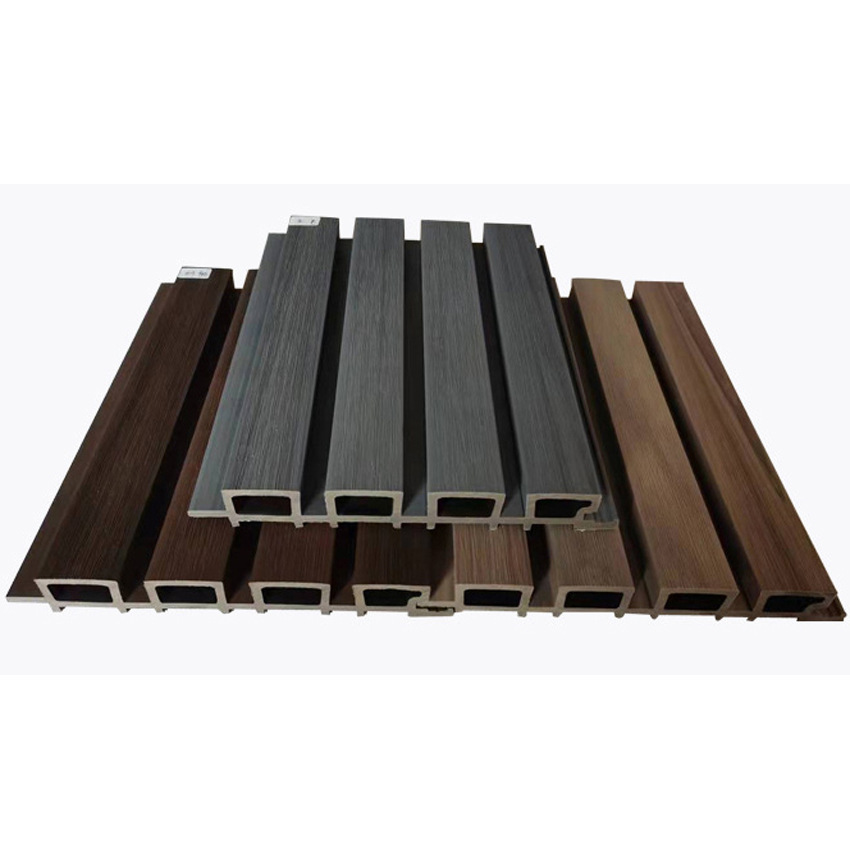
High-Pressure Laminate for Demanding Urban Environments
Exterior-grade High-Pressure Laminate, often referred to as HPL, is a remarkably dense and durable panel. It is manufactured by compressing layers of resin-saturated kraft paper and decorative sheets under intense heat and pressure. This process creates a solid, impact-resistant board that can withstand the wear and tear of busy urban environments. The surface is protected by a UV-stabilized acrylic or polyurethane topcoat. This layer ensures that the panel maintains its color fidelity without fading or chalking, even in regions with intense year-round sunlight. HPL is also highly resistant to graffiti and chemical exposure, making it an excellent choice for institutional facades or buildings in city centers. However, the performance of HPL is dependent on proper edge sealing. If water is allowed to penetrate the core of the panel, it can cause delamination over time. When installed with proper drainage and integrated into a rainscreen system, HPL panels provide a distinctive, low-maintenance finish that retains its appearance for decades.
The Enduring Beauty of Natural Stone
For projects demanding the ultimate in longevity, natural stone cladding remains peerless. Stone offers a timeless aesthetic that does not rely on coatings or sealants to maintain its integrity. Granite, with its quartz-rich composition, is exceptionally resistant to UV radiation, ensuring that its color and texture remain unchanged for generations. Basalt has an ultra-dense microstructure that limits water absorption to a fraction of a percent. This makes it highly resistant to freeze-thaw damage, as there is little water inside the pores to expand and fracture the rock. Even softer stones like limestone will develop a stable patina over time that protects the surface from further weathering. The high thermal mass of stone also contributes to the building's energy efficiency by absorbing heat during the day and releasing it slowly at night.
Thermally Modified Wood and Glazed Terra-Cotta
For architects who desire the warmth of natural materials without compromising durability, thermally modified wood and glazed terra-cotta offer outstanding solutions. Thermally modified wood is subjected to a high-temperature, oxygen-free treatment that alters its chemical structure. This process removes the hemicellulose that fungi feed on, making the wood highly resistant to decay. The treatment also drastically reduces the wood's ability to absorb moisture, minimizing the warping and checking that plagues untreated timber. Glazed terra-cotta combines durability with a natural, earthy aesthetic. The clay body is fired at high temperatures and covered with a vitreous glaze. This glaze locks in color and creates a waterproof, UV-resistant surface. The porous ceramic body allows vapor to permeate, which helps regulate humidity behind the cladding.
Why the Rainscreen System is Essential for Long-Term Performance
Even the most durable cladding panels will fail prematurely if they are installed directly against the structural wall. Water will inevitably bypass the joints, and if it is trapped behind the panel, it will cause rot and corrosion. This is why a ventilated rainscreen system is a mandatory component of any high-performance facade. A rainscreen assembly creates an air cavity between the cladding and the waterproofing membrane. This cavity equalizes pressure, preventing wind-driven rain from penetrating deep into the wall. It also provides a drainage path, allowing any incidental moisture to escape. Continuous airflow through the cavity dries the assembly, preventing the buildup of moisture that leads to mold and structural decay.
How Quality Manufacturing Protects the Investment
Ultimately, the long-term weatherproofing of a building relies on the quality of the materials and the discipline of the manufacturing process. The consistency of the fiber cement blend, the purity of the metal alloys, and the chemical stability of the resin binders in HPL all determine how the cladding will perform. Manufacturers who adhere to recognized quality management systems, such as ISO 9001, subject their products to rigorous testing for weathering, adhesion, and impact resistance. For an architect who specifies a facade with a fifty-year design life, partnering with a manufacturer that demonstrates unwavering quality control provides the ultimate confidence that the building will stand strong and look beautiful for generations to come.