 EN
EN

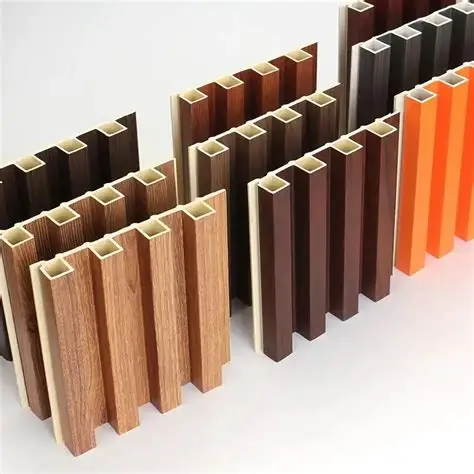
The Right Way to Clean 3D Decorative Wall Panels: A Practical Guide for Every Room
Installing 3D decorative wall panels is a powerful way to transform a plain room into a space with remarkable texture and depth. Whether they are used to create a dramatic accent wall in a living room or to add a modern touch to a commercial reception area, these panels bring a sense of dimension that flat paint simply cannot achieve. However, the very features that make these panels so visually appealing—the deep grooves, raised patterns, and intricate surfaces—also present a unique cleaning challenge. Dirt and dust settle into the textured crevices, and grease from a busy kitchen can cling stubbornly to the contours. Using the wrong cleaning methods can quickly ruin the finish. Understanding how to maintain different materials properly is the key to keeping the panels looking as striking as the day they were installed.
The First Rule: Dry Cleaning Before Any Moisture
Whenever a textured wall panel gets dirty, the instinct is often to reach for a wet cloth. This is usually a mistake. Wetting a dusty surface simply turns the dirt into a muddy paste that gets ground deeper into the material. The safest and most effective way to begin any cleaning routine is with dry methods. A soft microfiber cloth is the ideal tool for this first step. By gently wiping from the top of the panel down to the bottom, the microfiber traps loose dust and debris without scratching the delicate surface. For panels with deep, intricate grooves, a vacuum equipped with a soft-brush attachment works wonders. The soft bristles can gently lift dust from the recesses that a cloth cannot reach. Avoiding feather dusters is important; they tend to simply push dust around and can easily snag on raised designs. Incorporating a quick dry dusting routine into a daily or weekly schedule prevents the dirt from becoming embedded, which ultimately reduces the need for more aggressive cleaning.
The Gentle Art of Damp Wiping
When dry dusting is not enough to remove oils, fingerprints, or other stubborn grime, a damp wipe becomes necessary. The key word here is damp, not wet. A cloth that is dripping with water can seep into the seams of the panels, potentially causing the core material to warp or swell. To prepare the cloth, a pH-neutral cleaner should be mixed with warm water. Harsh alkaline or acidic solutions should be strictly avoided, as they can degrade the protective finish on the panels. A microfiber cloth is dipped into the solution and then wrung out thoroughly until it is just slightly moist. When wiping, it is best to follow the natural direction of the texture to avoid catching the cloth on raised edges. For particularly stubborn spots, a soft-bristled brush dipped in the same neutral solution can be used to gently lift the residue. Immediately after wiping, a separate, completely dry microfiber cloth should be used to buff the surface. This quick step prevents water marks from forming and ensures that no cleaning residue is left behind to attract new dust.
Understanding the Impact of Material Choice
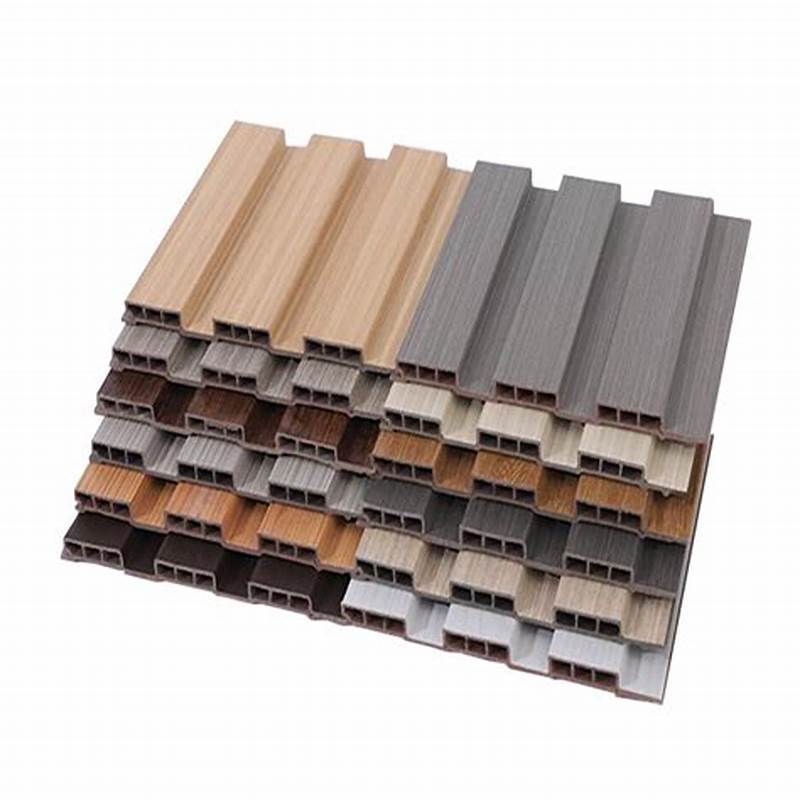
Not all 3D decorative wall panels are created equal, and the material they are made from drastically affects how they should be cleaned. PVC panels are among the most forgiving materials available. They are naturally non-porous and water-resistant, which means that most spills simply bead up on the surface and can be wiped away effortlessly. For busy residential or commercial environments, this durability is a major advantage. MDF panels, which are made from compressed wood fibers, are much more sensitive to moisture. Even a brief exposure to steam or water splashes can cause the fiberboard to swell and warp. Stains can also sink into the porous surface, leaving a permanent mark if they are not addressed quickly. For this reason, MDF panels are generally best suited for dry rooms like bedrooms or living areas. Plant-fiber composites offer a middle ground between the two. They often have a natural resistance to light stains, but their long-term durability depends heavily on the quality of the surface coating.
Tailoring the Cleaning Routine to the Room
The frequency of cleaning needs to be adjusted based on where the panels are installed. In high-traffic hallways or family rooms, dust accumulates very quickly. A quick daily pass with a dry microfiber mitt can keep the texture looking crisp, with a damp wipe reserved for the weekly cleaning routine. In kitchens, the challenge comes from airborne grease and cooking vapors. These substances cling to the raised patterns of the panels. A post-cooking wipe with a diluted, non-abrasive degreaser can help prevent heavy buildup. Kitchens will benefit from a thorough damp wipe once a week. Bathrooms present a completely different set of challenges due to the high ambient humidity. Moisture can wick into the seams of certain materials, leading to warping or even mold growth. In a bathroom, the panels should be wiped gently with a neutral cleaner once a month, and any splashes or condensation should be dried immediately.
Cleaning Mistakes That Can Ruin the Finish
Understanding what not to do is just as important as knowing the correct techniques. One of the fastest ways to ruin a 3D decorative wall panel is to use an abrasive scouring pad or a harsh chemical cleaner. Bleach and strong solvents will strip away the protective coating and cause irreversible discoloration. Many people underestimate the damage that dust can do. When a dry surface is not dusted before wet cleaning, the grit in the dust acts like sandpaper, creating micro-scratches across the 3D contours. Excessive moisture is another significant risk. Soaking a panel or allowing it to remain wet invites warping and creates the perfect conditions for mold to develop, especially in wood-based cores. It is also important to avoid vigorous scrubbing. While it may be tempting to rub hard to remove a stain, aggressive pressure can chip the edges of the raised designs or flatten the details, permanently dulling the visual impact.
Keeping Panels Looking New for Longer
Environmental factors also play a role in the long-term appearance of the panels. Prolonged exposure to direct sunlight can fade the colors, particularly on plastic-based products. If the panels are installed on a wall that receives a lot of natural light, using window treatments to block the harsh midday sun is a wise precaution. Additionally, panels should not be installed too close to heat sources like radiators or ovens, as the heat can cause the material to warp. Simple preventive measures like these go a long way toward extending the lifespan of the decorative finish.
The Value of Quality Manufacturing in Maintenance
Ultimately, the ease with which a 3D wall panel can be cleaned and maintained is a reflection of the manufacturing quality. A panel with a durable, well-cured surface coating will resist stains and scratches much better than a panel with a thin, poorly applied finish. Manufacturers who adhere to strict quality management systems, such as ISO 9001, carefully control the formulation and curing of their protective topcoats. This discipline ensures that the finished panel is ready to withstand years of daily contact with oils, grime, and cleaning agents without degrading. For a homeowner or facility manager who wants to enjoy the aesthetic benefits of 3D panels without the burden of constant, difficult cleaning, selecting products from a disciplined, quality-focused manufacturer is the ultimate assurance of long-term performance.