 EN
EN

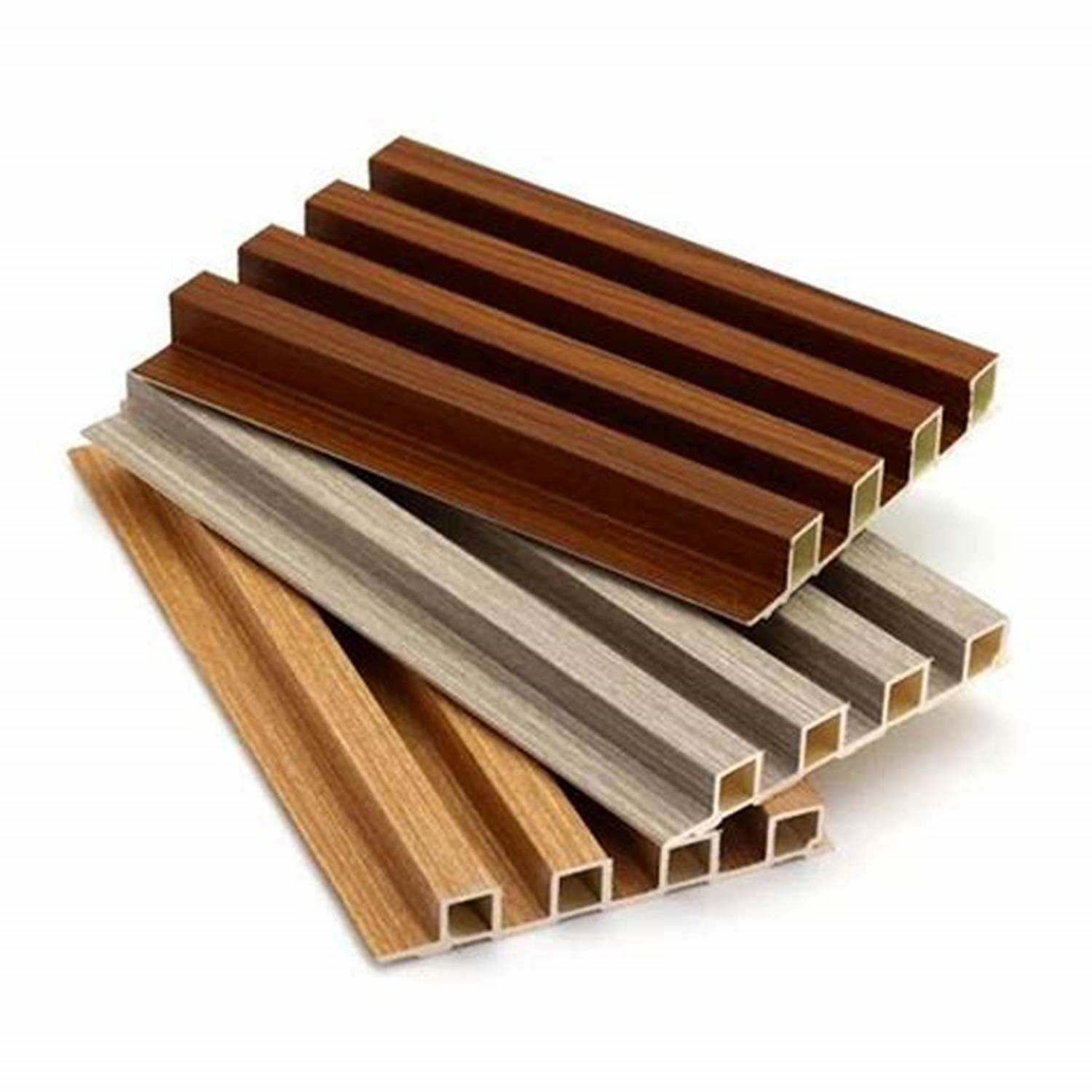
The Environmental Logic of WPC Wall Panels: A Sustainable Interior Choice
For architects and interior designers, the materials chosen for a project do more than define the aesthetic; they establish the environmental footprint of the building. As sustainable design standards like LEED and BREEAM gain traction worldwide, there is increasing pressure to select products that actively reduce waste, lower carbon emissions, and maintain healthy indoor air quality. Wood-plastic composite wall panels have emerged as a compelling solution. By combining recycled wood fibers with post-consumer plastics, WPC creates a durable, moisture-resistant cladding that does not require the energy-intensive processing of virgin timber or petroleum-based polymers. Understanding the material science behind these panels helps specifiers justify their choice not just on visual grounds, but on measurable environmental performance.
Giving Waste a Second Life Through Advanced Material Science
The core environmental advantage of WPC wall panels lies in their composition. The wood fiber component is typically sourced from industrial byproducts, such as sawdust and discarded pallets, which would otherwise be burned or sent to landfills. The plastic fraction is derived from post-consumer waste, including recycled bottles and packaging films. By repurposing these two distinct waste streams, the manufacturing process avoids the need to harvest virgin timber or refine new petroleum-based resins. This approach dramatically reduces the embodied carbon of the finished panels, because it sidesteps the significant emissions generated by logging operations and plastic polymerization. In practical terms, specifying WPC panels allows a commercial interior project to divert a substantial amount of waste from the landfill while preserving the natural forests that would otherwise be harvested for solid wood paneling.
Reducing Reliance on Virgin Timber and Plastic
The global construction industry is a massive consumer of natural resources. By choosing WPC panels, designers actively contribute to a circular economy model. Instead of relying on newly harvested trees, the wood content comes from reclaimed industrial offcuts. This reduces the pressure on managed forests and helps preserve biodiversity. Likewise, by incorporating recycled plastic, the panels help address the global crisis of plastic pollution, preventing discarded bottles and containers from ending up in oceans or incinerators. For a project aiming to minimize its environmental impact, the switch to WPC represents a shift from a linear consumption model to a regenerative one, where waste materials are viewed as valuable raw materials.
A Cleaner Manufacturing Process
The production of WPC wall panels is inherently more efficient than that of traditional alternatives. Unlike the pressing of MDF or the extrusion of PVC, which requires high heat and the use of formaldehyde-based binders, WPC manufacturing operates at moderate temperatures and uses a physical bonding process. This eliminates the risk of toxic off-gassing during the curing phase. The extrusion process used to shape WPC panels also consumes significantly less energy than the kiln drying required for solid wood or the distillation processes required for virgin plastics. This reduction in manufacturing energy directly correlates to a lower carbon footprint for the finished product, making WPC an attractive option for projects with aggressive carbon reduction targets.
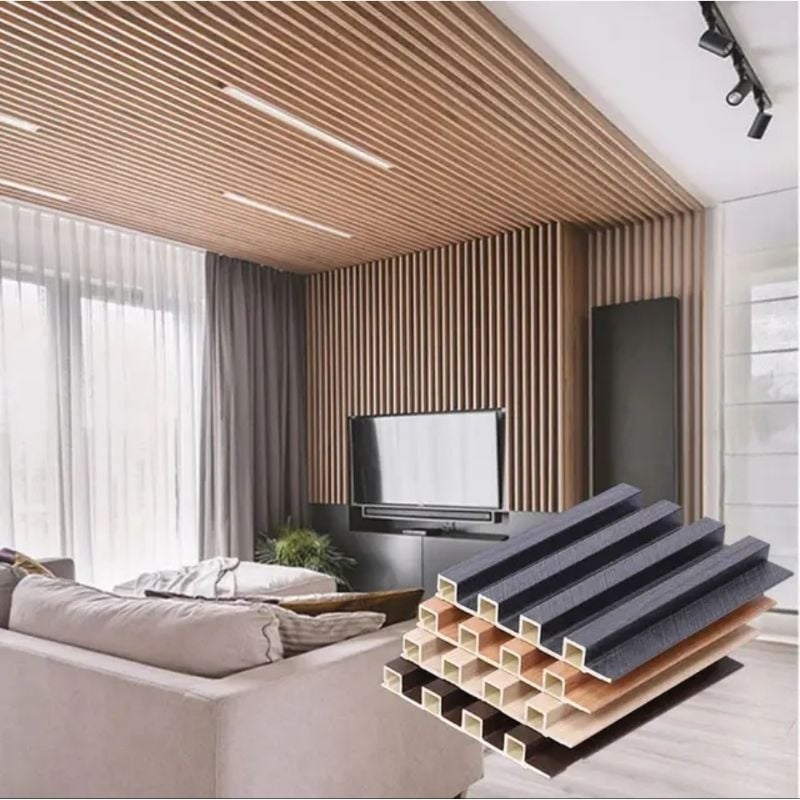
Protecting Indoor Air Quality with Non-Toxic Formulations
One of the primary health concerns in modern interior design is indoor air quality. Many conventional wall materials, particularly those involving adhesives or formaldehyde-based resins, can continuously emit volatile organic compounds into the air. These emissions can trigger respiratory irritation, allergies, and long-term health issues for the building's occupants. WPC panels are engineered to be entirely formaldehyde-free. Leading products undergo rigorous independent testing to verify that their emission levels fall well below the strictest health-based exposure limits. Achieving certifications such as GREENGUARD Gold is a strong signal to architects and clients that the materials used in the project will not contribute to a "sick building" syndrome. For designers working on healthcare facilities, schools, or residential projects, specifying low-emitting WPC panels is a straightforward way to ensure occupant well-being.
Addressing the Flaws of Traditional Materials
Traditional wall paneling options often come with significant drawbacks in practical application. Solid wood, while aesthetically beautiful, is inherently vulnerable to moisture. In humid environments, it warps, swells, and eventually rots. This degradation forces frequent replacements, generating waste and requiring the extraction of even more natural resources. MDF paneling is susceptible to moisture damage and often emits volatile organic compounds due to its resin binders. PVC is highly durable but is derived entirely from fossil fuels and is notoriously difficult to recycle. WPC panels directly address these flaws. The dense, homogenous structure of the composite resists moisture absorption, preventing warping and swelling. This dimensional stability ensures the panels retain their structural integrity and appearance for decades, drastically reducing the frequency of replacement and the associated waste.
Durability That Reduces Lifetime Environmental Cost
The long lifespan of WPC wall panels is a key driver of their overall sustainability. Because they resist rot, water damage, and impact, they do not need to be replaced as frequently as wood or MDF. This reduces the demand for raw materials over the life of the building and significantly lowers the amount of construction waste sent to landfills. Furthermore, the panels are designed to be low-maintenance. They do not require sealing, painting, or staining, which eliminates the ongoing use of chemical solvents and paints. This not only saves money for the building owner but also reduces the release of chemicals into the environment over the product's lifespan. For facility managers, the combination of durability and low maintenance makes WPC an economically attractive choice that also aligns with sustainability goals.
Streamlining Green Building Certification
Navigating the documentation required for a LEED or BREEAM certification can be a complex and time-consuming process. WPC wall panels simplify this workflow. The high recycled content of the panels contributes directly to the Material Resources credits in many green building frameworks. The non-toxic, low-emission profile of the panels supports the Indoor Environmental Quality requirements. Because many WPC manufacturers provide third-party documentation verifying the recycled content and the emission testing results, specifying these panels provides architects with a predictable path to earning certification points. This documentation readiness is particularly valuable for projects that are pursuing a high level of certification, such as LEED Gold or Platinum.
How Manufacturing Discipline Guarantees Product Quality
Ultimately, the environmental and performance benefits of WPC wall panels depend heavily on the quality of the manufacturing process. The precise blending of wood fibers and plastics, the consistency of the extrusion profile, and the stability of the material formulation all dictate how the final product will perform. Manufacturers who adhere to recognized quality standards, such as ISO 9001, rigorously inspect every batch of raw material and maintain tight tolerances during the extrusion process. This discipline ensures that the panels are uniformly dense, dimensionally accurate, and free of internal voids that could compromise long-term durability. For a design professional who relies on their material specifications to deliver a high-quality, sustainable project, sourcing from a disciplined and transparent manufacturer provides the ultimate confidence that the installation will perform as intended for years to come.