 EN
EN

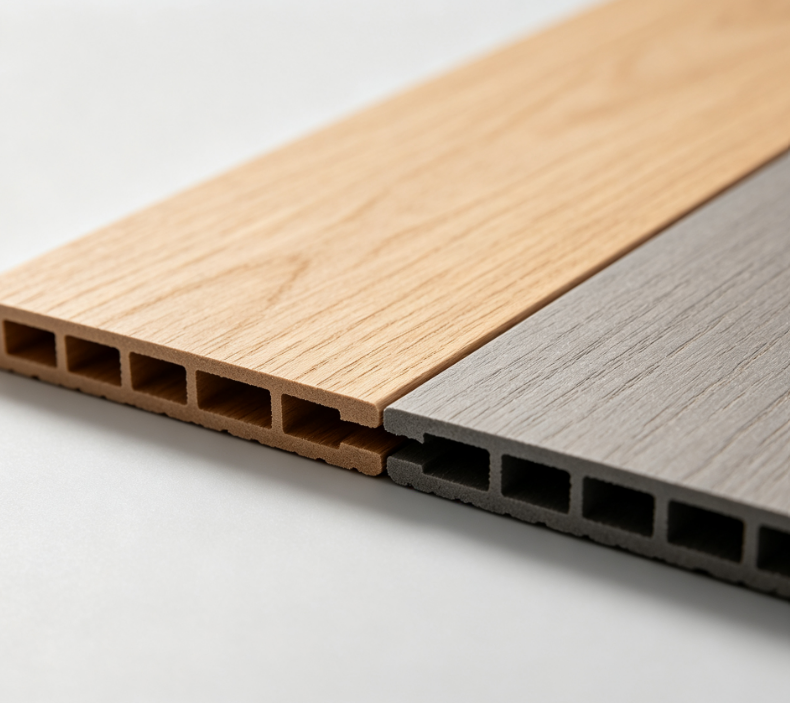
Smart Procurement Starts with Smart Questions
If you’re reading this, you’re likely one of two people: a procurement professional under pressure to secure building materials before prices shift again, or a project manager watching your timeline tighten as supply chains stretch. Either way, you’re here because you need a clear, actionable plan for sourcing PVC wall panels in the second half of 2026.
Good news: you’re not too late.
But the window is closing.
This guide walks you through everything you need to know — from budget planning and production capacity to supplier evaluation and timing your orders.
Part 1: Budget Planning — What You Need to Know Before You Spend
1.1 The Pricing Reality
PVC wall panel prices have been influenced by three major factors in 2026:
- Raw material volatility — PVC resin prices have fluctuated significantly due to energy costs and supply chain disruptions
- Logistics costs — While container freight rates have stabilized, they remain above pre-pandemic averages
- Tariff adjustments — The U.S. 25% tariff on interior finished goods is already in effect, with additional 25-50% tariffs on furniture and related materials arriving January 2027
What this means for buyers: Procuring earlier in H2 may lock in more favorable pricing and avoid tariff-driven increases. If your product ships from China after January 2027, expect 25-50% additional duty exposure.
1.2 What a Smart H2 Budget Looks Like
- Product Cost (55-65%) — Core product cost should be stable, but must account for material/energy fluctuations
- Logistics & Freight (15-20%) — International shipping remains volatile; building flexibility into your freight budget is essential
- Tariffs & Duties (8-12%) — 25% U.S. tariff on interior finished goods is already active; 50% tariff on furniture and related materials effective January 2027
- Contingency (8-10%) — Always reserve a buffer of 8-10% for unexpected price increases, expedited shipping, or urgent replacement orders
1.3 The 80/20 Rule for Procurement
Focus 80% of your budget on proven, high-volume products that move consistently in your market. Use the remaining 20% for testing new colors, textures, or custom profiles.
This approach minimizes risk while leaving room for product differentiation.
Part 2: Capacity Planning — Understanding What Factories Can Deliver
2.1 Peak Season vs. Off-Season
The building materials sector has distinct seasonal patterns:
- July-August (Pre-Peak) — Factory capacity is starting to fill; lead times remain stable but demand is rising
- September-October (PEAK) — High season, capacity tight, lead times extend — book early
- November-December (Moderating) — Capacity eases, but year-end shipping deadlines create urgency
- January-February (Off-Season) — Production slowdowns (Chinese New Year) — plan ahead for this period
Key Insight: If you’re planning to order in September-October, you should already be negotiating now.
2.2 What to Ask a Supplier About Capacity
When evaluating a potential supplier, ask these three questions:
“How many production lines do you operate, and what is your current utilization rate?”
A supplier running at 90%+ capacity may struggle with urgent orders. Look for 70-80% utilization — it shows demand while maintaining flexibility.
“What is your lead time guarantee during peak season?”
A reliable supplier will have a clear, written lead time policy, not a vague “we’ll try our best.”
“Do you hold raw material inventory?”
Suppliers that stock PVC resin and additives are less vulnerable to supply shocks — which means more reliable delivery for you.
2.3 Modern Production Capabilities to Look For
Suppliers investing in technology deliver better outcomes. Look for:
- Twin-screw extrusion lines — higher output, better quality stability
- PID temperature control systems — less scrap, more consistency
- Inline finishing — reduces handling, improves surface quality
- Permanent magnet motors — lower electricity consumption, lower costs
These aren’t just technical details — they translate into better pricing, shorter lead times, and more consistent quality.
Part 3: Supplier Evaluation — Finding the Right Partner
3.1 The 5-Step Supplier Checklist
- Factory Verification — Does the factory actually exist? Ask for real-time video or recent photos. Red Flag: Refusal to verify; generic photos.
- Quality Control — Ask about inspections — in-process and pre-shipment. Red Flag: “We check randomly” or no clear process.
- Certifications — ISO 9001, CE, SGS, RoHS, EPR (Germany/France). Red Flag: No certs; vague “we can get it.”
- Documentation — Can they provide test reports, CoA, batch traceability? Red Flag: Hesitation; “we’ll prepare later.”
- Communication — Do they respond clearly and within 24 hours? Red Flag: Delayed responses; unclear answers.
3.2 Red Flags to Watch For
Supplier only offers “one standard size” with no customization
No physical factory address or refuses video tours
Cannot name specific projects they’ve supplied
Prices that are 20%+ below market — there’s usually a reason
No quality control process described
3.3 The “Walk-Away” Signal
If a supplier fails to provide third-party test reports or certifications upon request, walk away. Quality claims without documentation are just claims.
SGS/CE/ISO-certified factories like Naturewing provide full test reports with every shipment. That’s the standard you should expect.
Part 4: Order Timing — When to Book for the Best Outcome
4.1 Recommended Order Timeline for H2 2026
- Sample Order — Place by: Any time — starts immediately — Expected Delivery: 7-10 days
- Small Bulk (under 500 sqm) — Place by: End of July — Expected Delivery: Mid-August
- Medium Bulk (500-1500 sqm) — Place by: Mid-August — Expected Delivery: Early-mid September
- Large Bulk (1500+ sqm) — Place by: Early August — Expected Delivery: Early September
- Custom Orders — Place by: Early August — Expected Delivery: 45-60 days from approval
Why these timelines matter:
Factory capacity tightens from September onward
Shipping slots become limited as Q4 approaches
By November-December, year-end logistics bottlenecks emerge
4.2 The “Pre-Book” Advantage
Placing your order before September offers several benefits:
Priority production scheduling — your order goes to the front of the line
Better container availability — fewer shipping delays
Stable pricing — locked before potential year-end increases
Faster dispute resolution — more time to address any issues before year-end deadlines
Part 5: The Naturewing Difference
If you’re looking for a supplier that ticks all the boxes, here’s what Naturewing offers:
10+ years in WPC and PVC panel manufacturing
Full in-house production — raw materials to finished product under one roof
CE, SGS, ISO 9001 certified — full test reports with every shipment
Customization capability — colors, sizes, packaging, and profiles
15-35day lead time — expedited options for urgent projects
Dedicated project support — from initial inquiry to final delivery
The Bottom Line:
The best time to plan your H2 procurement was six months ago.
The second best time is right now.
Waiting until September means competing with everyone else for limited capacity and higher shipping costs. Locking in your order now means stable prices, priority scheduling, and peace of mind.
Ready to secure your H2 supply? Our team is standing by with capacity availability, current pricing, and sample kits ready to ship.