 EN
EN

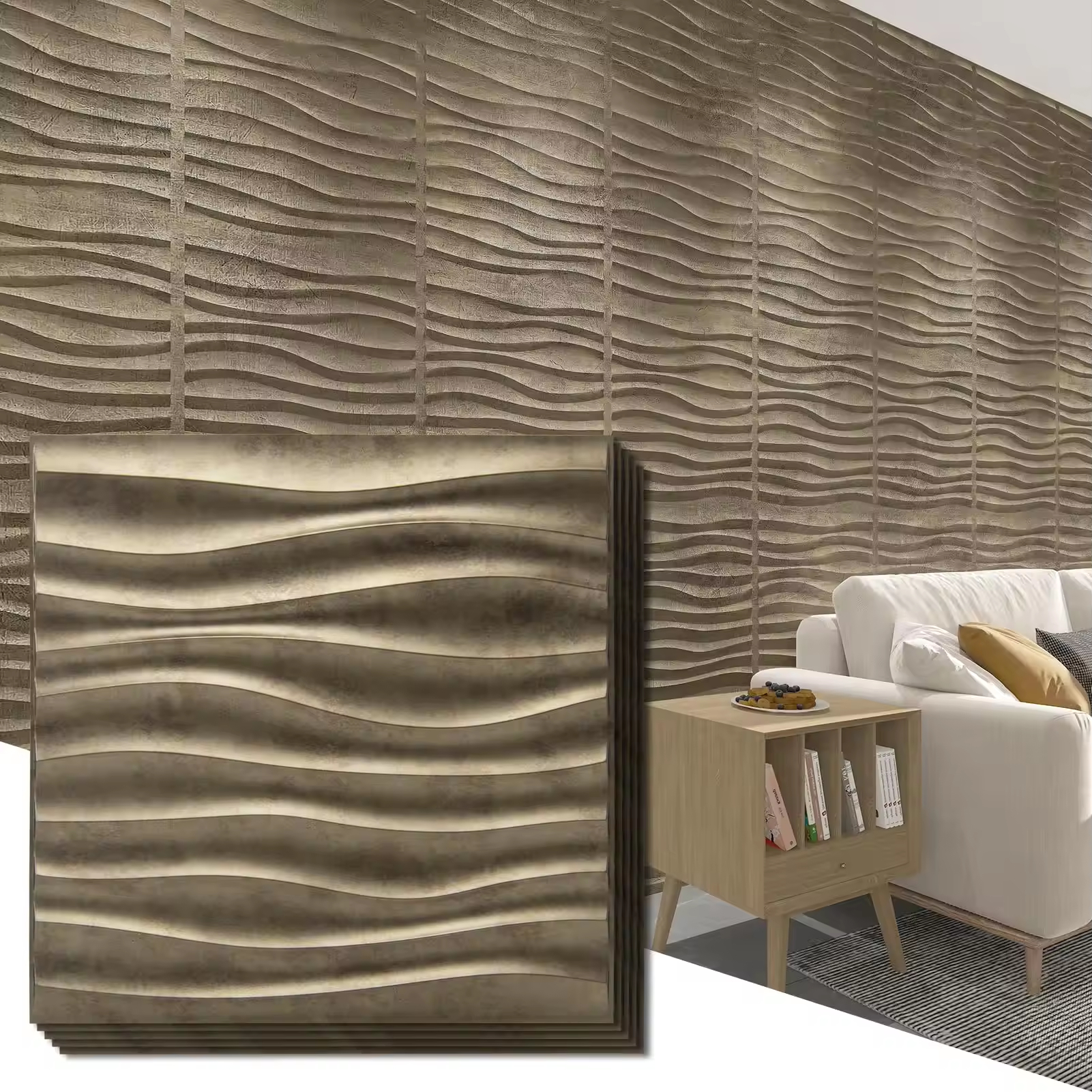
What Are 3D Decorative Wall Panels?
3D decorative wall panels are wall coverings that have various textures and patterns. They provide a depth that is not achievable with paint or wall paper. They are usually made of PVC, MDF, metal, or composite material that could be recycled. They are used in both residential and commercial spaces to add a three-dimensional wall covering. They could be used to add depth to various spaces or to incorporate brand materials. They are easy to install and cover existing space, which makes them a great option for a redecorating solution. They are easy to install as they are modular and mechanically behind all surfaces. They could be customized to fit the needs of a given space and help with visual brand identity.
Key Benefits of 3D Decorative Wall Panels for B2B Projects
Enhanced Visual Impact and Brand Differentiation
Because 3D wall panels have depth, they help create a space for people to immerse themselves. This is particularly useful for corporate and retail spaces. They help support a brands identity as they are quite easily customizable as to curve, color, pattern, and lighting. In retail spaces, they actually increase the time that a customer will be at the space by 40% when compared to 2D spaces.
Durability, Low Maintenance, and Installation Efficiency
Commercial-grade 3D panels were designed for extreme environments and have superior longevity and low maintenance:
Moisture-resistant PVC fins and honeycomb cores can be used in high-traffic and high humidity environments, and are designed for permanent wall and ceiling systems
Impact-resistant PP surfaces stay in pristine condition for 10 years or more with easy, periodic cleaning
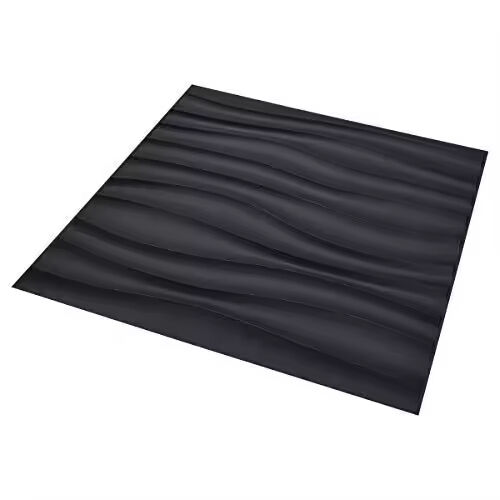
Modular clip systems allow for an uptick of 70% at installation
The 70% uptick at installation drastically reduces renovation time. This is especially important for establishments like hotels, hospitals, and offices that require 24-hour operation. Fire ratings for units (ASTM E84 Class A) and UV stabilized aluminum composites change the limits of where these panels can be used.
Material and Design Options for Commercial Applications
Popular Materials: PVC, MDF, Metal, and Recycled Composites
PVC insures moisture resistant environments like restrooms and commercial kitchens, MDF is shaped and cost effective for bespoke interiors in Hospitality, metal Panels offer extreme lengths for durability in high-traffic/industrial settings, and recycled composites help meet the sustainability goals of LEED. Major players in the apparel manufacturing space support these materials with warranties extending from 30 years to 50 years, evidence of their performance and reliability during commercial use.
Design Trends: Geometric, Organic, Textured, and Custom-Cut Patterns
Geometric designs, distributed in a grid, are the most popular design element found in corporate office space due to their ability to manipulate light to provide optical illusion of larger space. Softening the hospital environment to provide relief in moments of stress for patents, is epitomized by wavy designs that are found in this space, and in a retail environment, textural surfaces are a great way to hide grime. Embedding designs has become more popular over the years and is a great way for a brand to showcase their design in restaurants and event spaces. In the new 2024 Commercial Interior Materials Report, 87% of designers for commercial spaces use textured surfaces due to the detrimental and manifold impacts of noise that occur in spaces, underscoring the importance of this combination of design and aesthetics.
Choosing 3D Wall Panel Features to Fit Spaces
When deciding on wall panel specifications amongst differing functions, environments, and space are crucial.
To determine the best wall panel specifications, consider the safety and environmental concerns. If wall panels are ordered for areas susceptible to a lot of moisture, such as bathrooms and commercial kitchens, waterproof PVC panels to avoid warping and mold. If panels are for the outdoors, they should be aluminum, UV resistant, and corrosion resistant. To use aluminum, it should be verified for being resistant to corrosion and the weather. When the panel is in a high traffic area, the panel should be textured and impact resistant, and under-fire safety standards.
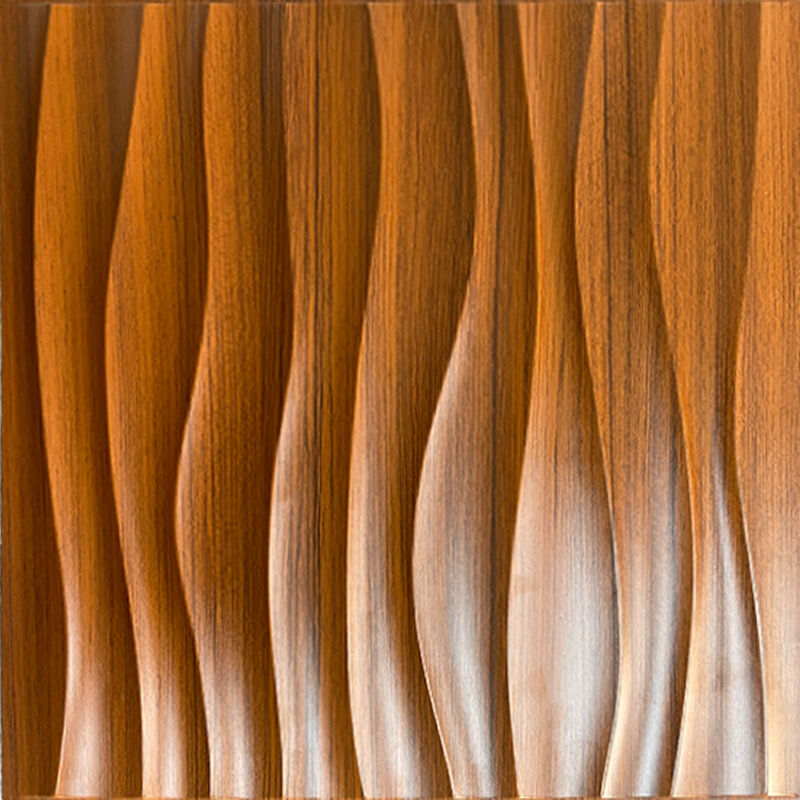
The coordination of the paneling to the building’s architecture should detail the sourcing, the lead times, and more.
To meet the planned construction timeline, alignment of the lead times and sourcing should be from the same manufacturer. If areas are being retrofitted, confirmation should be made about compatibility of the fixture spacing. Many of the modular interlocking systems can be used to bridge unequal spaces. Construction times can be halved by using adhesive-backed paneling. Restrictions should be established on the ceiling’s panels, and an actual physical specimen of the paneling should be installed to determine the texture and color. To determine if the burden of storage and installation is worth it, evaluate the savings of bulk shipping.
FAQ Section
From what materials are 3D decorative wall panels usually made?
The more popular materials would tend to be PVC, MDF, metal alloys, and recycled composites. Since materials such as PVC are more water resistant, these can be used in areas more susceptible to moisture while MDF can be used where varying, customizable shape, wall panels would be more useful.
Are all 3D decorative wall panels designed to be used outdoors?
Some 3D decorative wall panels specifically designed with technologies including UV-stabilized aluminum composites and moisture resistant materials can be safely used outdoors. When designing and constructing, make sure that all materials used meet standard specifications and ASTM (American Society for Testing and Materials) standards for outdoor installations.
Are there panels designed for commercial environments to improve acoustic performance?
Yes. Many 3D panels, specifically and especially those designed with a texture, and are used as a ceiling, wall or partition, and as an acoustic dampener in various environments, can be useful for commercial as well as Construction and Property Acquisition (CAP) situations.
After a contract is confirmed, what is the approximate time from initial order to delivery for those self-adhesive panels?
When installations are more standard, pieces generally arrive within 5-7 weeks. The length of the panels can vary based on complexity.
What standards do you consider when selecting materials?
For commercial spaces, ensure the panels have the necessary moisture ratings appropriate for your climate and ensure they have the necessary fire-resistance rating to appropriate your region.