 EN
EN

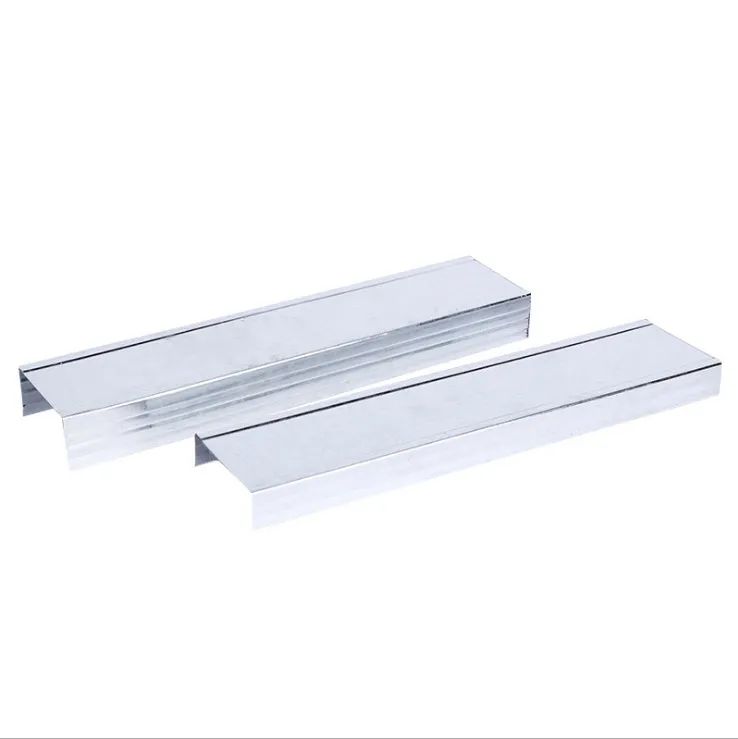
Opus parietale nitidum facile videtur, donec margines, anguli et transitiones deficiunt. Recta accessoria pro tabulis parietalibus transformant installationem rudem in superficiem hermeticam, planam et professionalem quae annos durat. Tamen emptores saepe in ipsis tabulis insistunt et parva instrumenta, quae exitum decernunt, praetermittunt. His instrumentis tempestive comparatis tempus et aspectus finalis tutentur.
Negligentia Onerosa in Renovatione Hospitii
Cur Ornatus et Marginatio Exitum Decernunt
Trim, edging, and corner pieces are the most visible wall panel accessories on any finished wall. They cover the raw panel edge, hide the substrate, and give the eye a clean line where two surfaces meet. Without them, even a flat panel shows a chipped border that reads as poor workmanship. The selection of profile, width, and colour should follow the panel thickness so the cover sits flush instead of proud. Coordinating trim with the panel face early prevents the late scramble for parts that do not match the batch.
The Rework That Cost Time and Material
During a recent hotel lobby renovation, the contractor ordered panels and adhesive but skipped the corner and transition trim. The panels installed flat, yet every column junction revealed a raw, uneven seam. Guests walking through the space noticed the gaps immediately, and the owner demanded correction before opening. The crew returned to source matching trim, then removed and re-cut sections to fit the new profiles. What should have taken a single afternoon of trimming became three days of rework, plus wasted material. The lesson was clear: the small parts carry the visual risk, and missing them is rarely cheap to fix later.
The Core Components Every Install Needs
Clips and Fixing Systems for Flatness and Alignment
Systema de clippe occulte tene le placas al substrato dum permitte micro-movementu, et illos es inter le plus fortissime accessorios pro placas murali in le assembly. Un clippe de qualitate mantene cata tabula in un revelatio consistent e impede le incurvatione que appare como ondas sub lumine obliquo. Le rales de fixation o le striscias de furring da un plano veritable; le placas montate super un pariete irregulare transmitti omne gibbositate. Aligne le clippes super un grate nivelate ut le prime curso stabilisce le linea pro le resto. Le planitie del placas debe satisfacer le directiones de tolerantia ANSI pro finitiones murali, restante intra alcun millimetros super un baia standard. Selige le clippes con rating pro le pondere del placas e pro le typo de pariete, si concrete, stud, o block.
Juncturas, Interstitios de Expansion, e Control de Movementu
Materialia aedificatoria cum temperatura et umiditate moventur, ideo iuncturae rigidae franguntur. Iunctura expansionis hunc motum absorbet et campum planum servat. Relinque spatium calculatum ad pavimentum, tectum, et cursus longos; imple illud cum sigillo flexibili aut operi cum profilo expansionis speciali. In spatiis cum calore radiante vel magnis areis vitreis, motus maior est, ideo spatium augeri debet. Accessoria tabularum parietalium, ut capita terminalia et profila motus, hanc rem administrant sine interruptione rhythmī visualis, et perimetrum mundum servant ubi tabula alis superficiebus coniungitur.
Adhesiva et Sigilla pro Resistentia ad Humorem
Adhesive choice decides how well panels resist moisture and hold under load. A high-grab construction adhesive bonds the panel skin to the wall; a flexible sealant at wet-area edges stops water tracking behind the face. For PVC and WPC skins, use a compatible polymer adhesive that will not soften the surface. Joint sealant should stay elastic after curing so it moves with the wall. Wall panel accessories for sealing include flexible caulk and colour-matched silicone that protect the seam from moisture. Pair the right adhesive with the clip system so the panel never relies on a single fixing method, and inspect the bond line during the dry-fit.
Specifying the Right Parts
Matching Accessories to Substrate and Panel Type
Non omnis variantis forma ad omnem tabulam convenit. Tabula WPC crassa profundiorem profilum J requirit quam lamina tenuis PVC, alioquin operimentum non totum marginem abscondet. Materiam accessorii ad tabulam apta facito — lamina PVC cum tabulis PVC, aluminium cum nucleis rigidis — ut velocitates dilatationis congruant. In structura ex blocis concretis, fixationem mechanicam post adhaesivum utere ad resistentiam ad tractionem. Accessoria pro tabulis parietalibus eadem ex parte ordinanda sunt atque tabulae, ne differentiae coloris et crassitudinis in iunctura appareant. Crassitudo non congruens tenue labium relinquit quod lucem capiat et ut vitium videatur.
Index procurandi et inspectio loci
Ante ordinem, confirmare spessorem tabulae, typum marginis, et longitudinem perimetri camerarum pro quantitate ornatus. Inspectare partes advenientes pro rectitudine, colore constante, et profilis integris. In loco, sequi normas OSHA 29 CFR 1926 pro scalis et adhesivis, ut aedificatores securi sint dum praefittemur unam cellam sine colla, ut verifiquemus lineam clipporum et revelationem antequam totam parietem colleamus. Servare parvum reservatum pro sectionibus et damnis. Accessoria tabularum parietalium sunt res viles, sed unum desideratum potest totam turmam impedire; ideo disponere ea iuxta tabulas ab initio operis.
Summae Procurationis
Plan the accessories before the first panel ships. A practical wall panel accessories list covers trim, clips, joints, adhesive, and sealant sized to the exact panel and substrate. Order from the same batch, dry-fit a sample bay, and keep spares on site. With the right parts staged early, the install stays flat, the gaps stay controlled, and the finish reads as professional from the first course to the last. Maintain a simple log of part codes so future repairs match the original specification.
Quaestiones Frequenter Rogatae
Quaestio
What wall panel accessories are required for a basic install?
Answer: A basic job calls for edge trim, corner pieces, fixing clips, an expansion joint profile, and a compatible adhesive with sealant. Edge trim hides raw borders, clips set the panel line, and the joint absorbs movement. Order these from the same batch as the panels so colour and gauge match. A short starter list prevents the mid-install scramble for missing parts that stalls the crew.
Quaestio
Why do expansion gaps matter behind wall panels?
Answer: Materials expand and contract with heat and humidity, so a rigid seam cracks or buckles over time. An expansion gap lets the panel field move without lifting at the edge or opening a visible line. In rooms with radiant heat or large windows, the swing is greater and the gap must grow. Fill the space with a flexible seal or cover it with a movement profile to keep the wall flat and quiet through the seasons.
Quaestio
How are clips installed to keep panels aligned?
Answer: Clips fix to a level rail or furring grid, then the panel clicks or screws into the clip tongue. Start at a straight reference course so every later row follows the line. Space clips per the panel width and wall height, tighter near corners and openings. A consistent reveal between boards keeps the surface even under raking light. Check the first bay with a long straightedge before fixing the full wall, and adjust the grid if the plane drifts.
Quaestio
Can the same trim work on WPC and PVC panels?
Answer: A single trim rarely fits both. WPC boards are thicker and need a deeper profile to hide the edge, while thin PVC sheets sit in a shallow channel. Matching the accessory material to the panel also controls expansion, since mixed rates crack the seam. Where a project mixes both skins, specify a separate trim per type and confirm the gauge at the sample bay. The small extra planning avoids a visible lip at every transition.
Quaestio
Which sealant suits wet areas near panels?
Answer: Use a flexible, mould-resistant silicone or polymer sealant at seams near sinks, showers, and basements. The seal must stay elastic after curing so it moves with the wall instead of cracking. Choose a product rated for continuous humidity and confirm compatibility with the panel skin to avoid softening. Apply a thin, even bead and tool it smooth for a clean line. A correct seal stops water tracking behind the panel and protects the substrate from hidden damage.