 EN
EN

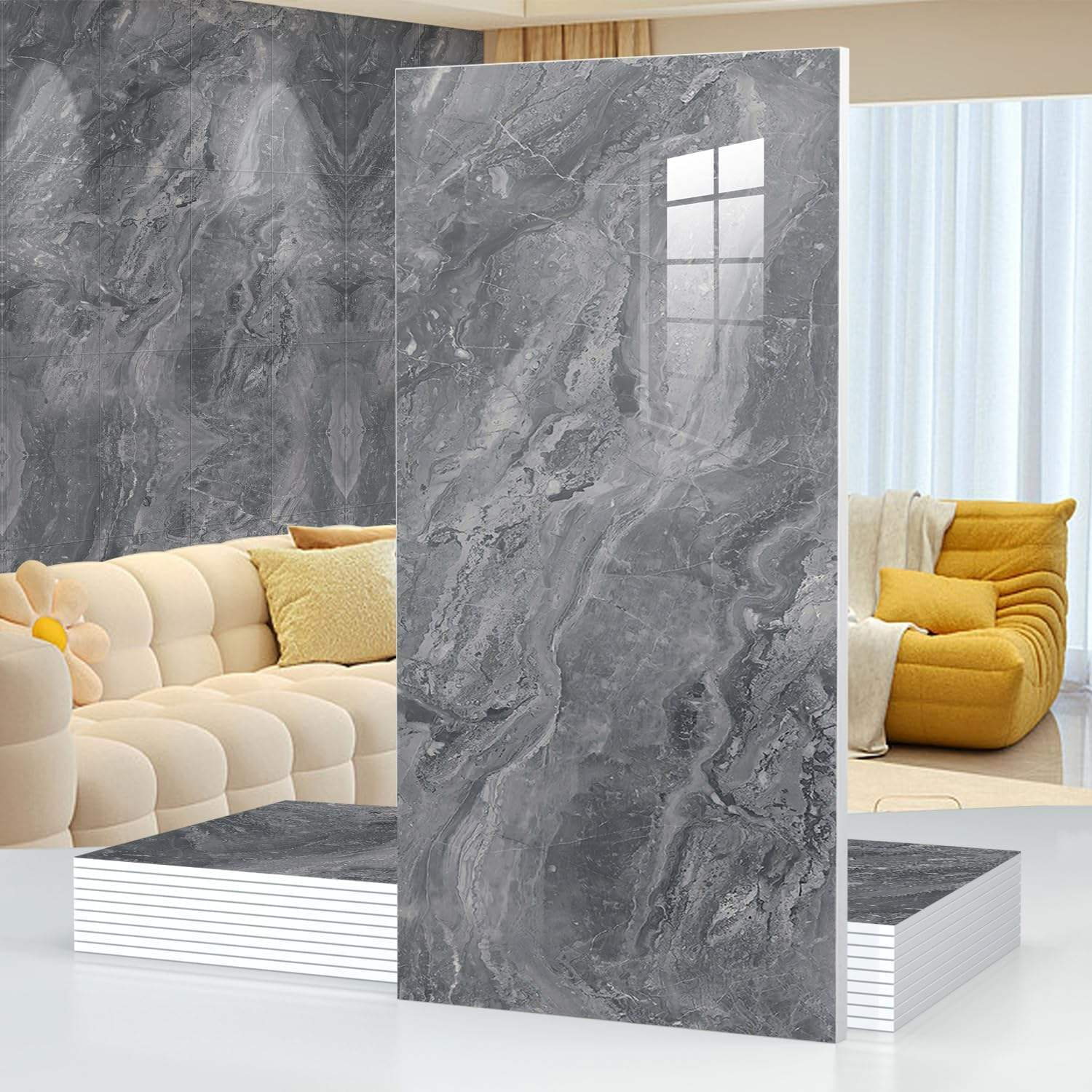
The 72‑Hour Restroom Renovation That Saved a Hotel $18,000
A 200‑room hotel in Orlando faced a recurring problem: the guest restrooms adjacent to the lobby required repainting and grout repair every 18 months. Each renovation shut down the facilities for 10 days, disrupting guest experience and costing an average of $6,000 in lost revenue and labor. The facility manager opted to replace the traditional tile and drywall with PVC wall panels. The installation—using a tongue‑and‑groove interlocking system—was completed in just 72 hours. Three years later, the walls remain free of cracks, stains, and mold. The hotel has not spent a dollar on restroom wall maintenance since. The projected 10‑year savings exceed $18,000.
This outcome is not unusual. Over the past five years, facility management consultants have observed that PVC wall panels consistently deliver measurable reductions in maintenance frequency, downtime, and long‑term operating costs. Understanding the commercial case for PVC panels isn't just about material specs; it is about protecting your facility budget, minimizing operational disruptions, and maintaining a clean, professional environment for occupants and visitors.
Long‑Term Durability – Withstanding High‑Traffic Environments
Wall surfaces in lobbies, corridors, and retail areas endure constant impact, abrasion, and daily wear. Frequent repairs disrupt operations and strain budgets—commercial facilities spend an average of $3.50 per square foot annually on wall maintenance and repair (Building Operations Benchmark 2023). PVC wall panels counter these costs with a dense, rigid core that resists dents, scratches, and gouges far more effectively than drywall or fiberglass‑reinforced panels.
| Material | Impact Resistance | Scratch Resistance | Typical Service Life |
|---|---|---|---|
| PVC Wall Panels | Excellent (no cracking after repeated strikes) | High | 15+ years |
| Drywall | Poor (dents and cracks easily) | Low | 5‑7 years |
| Ceramic Tile | Moderate (cracking possible) | High | 20+ years (grout fails) |
Industry‑validated impact testing confirms no surface cracking after repeated strikes from heavy objects. Unlike traditional finishes that chip or delaminate, high‑quality PVC retains structural integrity for decades under heavy traffic. Its integrated surface design eliminates edge‑peeling, while consistent color and gloss endure cleaning chemicals and UV exposure—eliminating the need for repainting. For facility managers, this means fewer downtime events and extended renovation cycles.
Superior Moisture and Mold Resistance – For Restrooms, Kitchens, and Healthcare
Constant humidity, steam, and direct water contact quickly degrade conventional wall materials: gypsum board swells, grout lines foster mold colonies, and even moisture‑resistant paint peels in damp environments. PVC wall panels offer a radical alternative—measured water absorption of less than 0.1% by ASTM D570—making them virtually impervious to moisture. Their non‑porous surface prevents water ingress into the substrate, removing the conditions mold and mildew require to thrive.
In restaurant kitchens, where daily high‑pressure washdowns are mandatory, the panels remain dimensionally stable without buckling. Healthcare facilities benefit equally in patient bathrooms and sterile processing areas, where humidity fluctuations are common. Because PVC does not support fungal growth, harsh chemical fogging is unnecessary—reducing both application costs and occupant health risks. Sealed fastening systems further block water penetration behind the panels, enabling over 15 years of reliable performance in wet zones with only basic wipe‑downs.
Hygienic Surface Properties – Antimicrobial Options That Meet FDA and ASTM Standards
Infection control demands surfaces that are easy to sanitize and actively hostile to pathogens. PVC wall panels can be manufactured with built‑in antimicrobial agents compliant with FDA requirements for food‑contact surfaces and ASTM standards for bacteria inhibition. Independent testing per ASTM E2180 shows silver‑ion infused PVC reduces microbial populations by up to 99.9% within 24 hours.
| Standard | Requirement | PVC Panel Compliance |
|---|---|---|
| ASTM E2180 | Antimicrobial effectiveness in polymers | ≥99.9% microbial reduction |
| NSF/ANSI 51 | Food equipment materials | Safe for food‑contact surfaces |
| ASTM D570 | Water absorption | <0.1% (virtually impervious) |
| ASTM E84 | Surface burning characteristics | Class A (FSI ≤25, SDI <450) |
The seamless, smooth finish eliminates crevices where dirt and germs collect—enabling thorough cleaning in seconds. In commercial kitchens, panels meet NSF/ANSI 51 standards for safe food‑contact surfaces. Hospital isolation rooms gain an added barrier against healthcare‑associated infections when lined with these antimicrobial panels. Even without additives, PVC's inert, non‑leaching surface resists staining from chemical disinfectants and simplifies compliance during hygiene audits. This dual layer of passive and active protection makes PVC an intelligent choice for any space where sanitation is paramount—from school cafeterias to pharmaceutical labs.
Streamlined Installation – Minimizing Operational Disruption
Commercial renovations often force a trade‑off between facility upgrades and daily business continuity. Installation method directly dictates operational downtime and revenue loss.
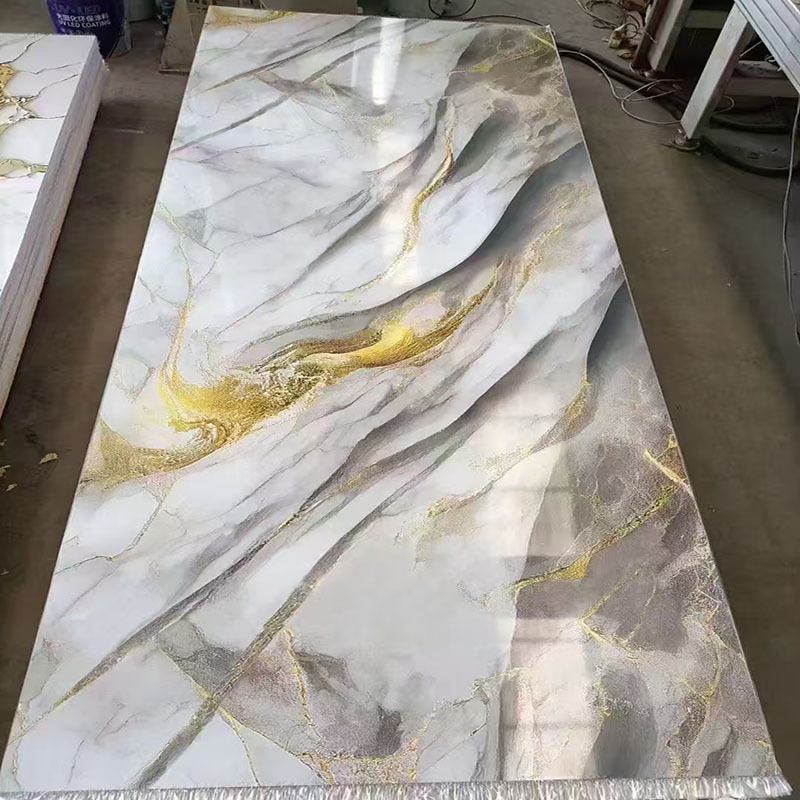
Rapid, Low‑Skill Installation
PVC wall panels are engineered for speed: tongue‑and‑groove interlocking or hidden fastener systems mount directly over existing substrates, bypassing demolition and eliminating curing time for mortar, grout, or paint. A 1,000‑square‑foot restroom renovation using PVC typically completes in days—not weeks—reducing on‑site labor by nearly 50% compared to traditional tile or FRP installations. The compact installation footprint minimizes disruption: specialized crews work for shorter durations, allowing sections of a facility to return to service almost immediately after fit‑out. No specialized tools are required, de‑risking schedules amid labor shortages and accelerating project closeout.
Low‑Maintenance Cleaning Protocols
Post‑installation, PVC delivers sustained value through simplified maintenance. Its non‑porous, high‑gloss surface resists staining and eliminates the need for re‑grouting or repainting. Daily cleaning requires only mild soap and water—no abrasive chemicals or high‑temperature steam that degrade other materials. This immediate, low‑impact sanitation cuts room turnover time significantly: between patients in clinics or guests in hotels—directly supporting higher throughput. By removing labor hours and chemical costs tied to aggressive cleaning regimes, PVC ensures aesthetic consistency and regulatory compliance without hidden long‑term operational drains.
Fire Safety and Lifecycle Cost Advantages
Fire‑Rated PVC – Meeting ASTM E84 Class A Requirements
Fire safety is non‑negotiable in commercial interiors. PVC wall panels can be formulated with fire‑retardant additives to achieve Class A ratings under ASTM E84—the standard test for surface burning characteristics. These panels deliver a flame spread index ≤25 and smoke developed index <450, effectively limiting fire propagation and toxic smoke generation. As referenced in the International Building Code, ASTM E84 compliance is mandated for interior finishes in corridors, exit ways, and assembly spaces. Specifying Class A PVC simplifies permitting, reduces legal liability, and satisfies insurance requirements—without requiring supplemental coatings or compromising visual design.
Total Cost of Ownership – PVC Delivers Value Over 10+ Years
True value emerges over time—not at purchase. Over a decade, PVC's durability and minimal upkeep translate into substantial savings. According to a 2021 facilities benchmarking report, the 10‑year cost per square foot averages $6.00 for PVC panels—versus $25.00 for ceramic tile and $15.00 for painted drywall in a typical commercial restroom.
| Material | Initial Install (per sq ft) | Annual Maintenance (per sq ft) | Expected Lifespan | 10‑Year Total Cost (per sq ft) |
|---|---|---|---|---|
| PVC Wall Panels | $5.00 | $0.10 | 15+ years | $6.00 |
| Ceramic Tile | $15.00 | $1.00 | 20+ years (frequent grout repair) | $25.00 |
| Painted Drywall | $3.00 | $0.50 | 5‑7 years (repaint & replacement) | $15.00 |
By eliminating repainting, grout sealing, and premature replacement, PVC minimizes capital outlay, labor allocation, and operational interruptions—making it a financially prudent, performance‑driven choice for commercial projects where budget discipline and long‑term resilience are inseparable.
Manufacturing Quality – The BXKM Connection
Achieving the consistent thickness, smooth surface finish, and dimensional stability that make PVC wall panels a reliable commercial building material requires precision in the extrusion process. BXKM's expertise in plastics extrusion equipment—including conical twin‑screw extruders and downstream calibration systems—directly supports the production of high‑quality PVC wall panels. By supplying robust, energy‑efficient extrusion lines, BXKM helps panel manufacturers achieve tight thickness tolerances, consistent color dispersion, and superior surface quality—batch after batch. This capability ensures that the PVC panels installed in commercial facilities meet the performance standards expected for durability, hygiene, and fire safety.
| Question | Answer |
|---|---|
| What are PVC wall panels? | Durable, moisture‑resistant plastic panels designed for high‑traffic commercial environments like restrooms, kitchens, and healthcare spaces. |
| How are PVC wall panels installed? | Using tongue‑and‑groove interlocking or hidden fastener systems for quick, tool‑free installation—minimizing downtime. |
| Are PVC wall panels fire‑rated? | Yes. They can achieve Class A ratings under ASTM E84 (flame spread index ≤25, smoke developed <450), meeting commercial building codes. |
| Do PVC wall panels support hygiene standards? | Yes. Antimicrobial options compliant with FDA and ASTM E2180 standards reduce microbial populations by up to 99.9%. |
| What is the lifecycle cost of PVC wall panels? | Over 10 years, PVC panels cost approximately $6 per square foot—significantly less than ceramic tile ($25) or painted drywall ($15). |
| How does BXKM support PVC wall panel manufacturing? | BXKM provides conical twin‑screw extruders and downstream equipment that ensure consistent thickness, surface finish, and dimensional accuracy for high‑quality PVC panels. |