 EN
EN

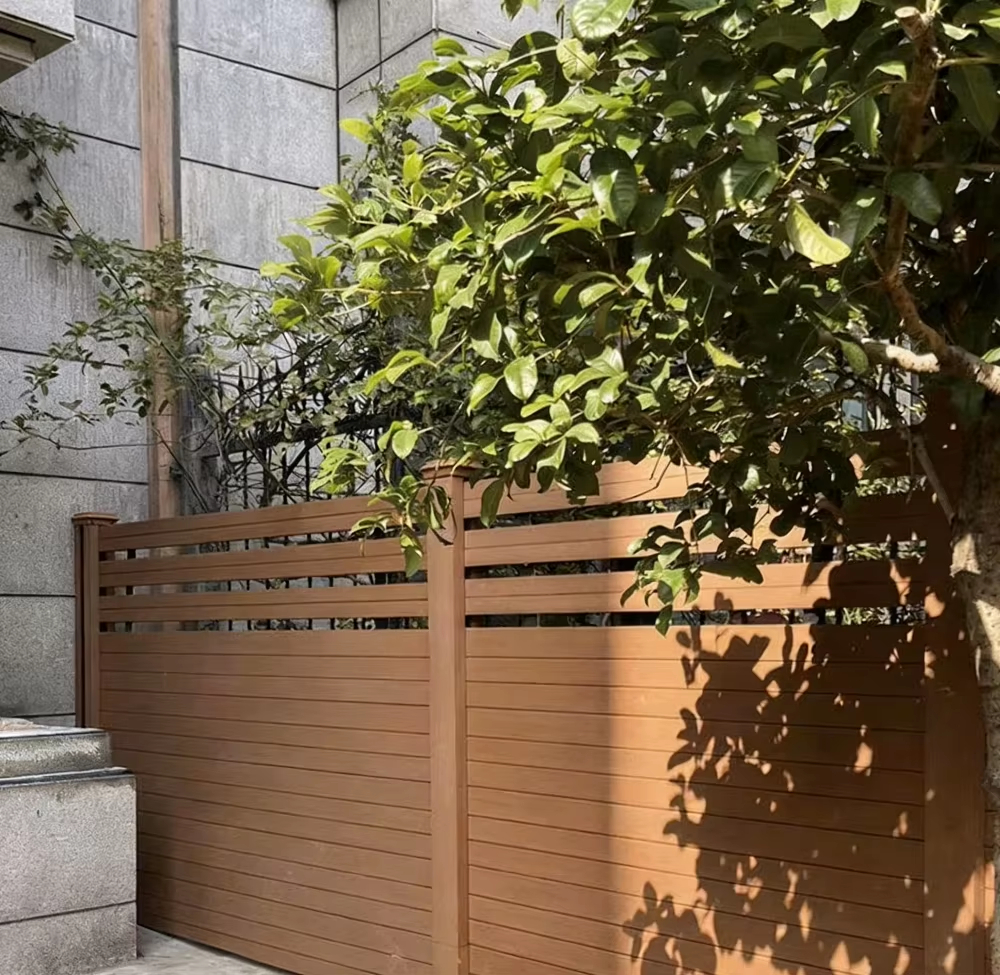
What Low-Maintenance Means for Composite Fencing
Below, I explain a low-maintenance performance measure per ASTM and the truth behind “maintenance-free” advertising.
The “maintenance-free” label of composite fencing is a marketing oversimplification. ASTM defines low-maintenance building material performance as requiring periodic maintenance to retain their utility and appearance. Composite fencing fits the bill. Composite fencing, unlike wood, does not require periodic maintenance in the form of painting, staining, or sealing. Composite fencing is low-maintenance, but not maintenance-free. Composite fencing benefits from a periodic cleaning. Low-maintenance composite fencing deteriorates in appearance if cleaning is neglected. Composite fencing is resistant to rot and insects, is UV stable, and is designed to resist staining. It does not, however, clean itself. The term “low-maintenance” is correct, and “maintenance-free” is a marketing myth.
How Manufacturer Warranties Set Realistic Expectations for Composite Fencing Maintenance
To gauge realistic expectations of maintenance for composite fencing, the manufacturer warranties offer the best insight and contain helpful information to interpret the “low-maintenance” label. The best brands offer limited warranties on the structural integrity of the fencing and significant warranty period color fade of 20 to 30 years. These warranties offer insight into realistic expectations of low-maintenance composite fencing. Manufacturer warranties require periodic cleaning and prohibit the application of cleaning methods that consist of high-pressure washing or cleaning agents that contain harsh chemicals. Failure to follow the maintenance requirements void the warranty. Maintenance is simple and infrequent, and aligns with ASTM. This translates to a cost of $7.50 to $22.50 annually for a 150-foot fence. The fence pays for itself in value. This is evidence of the value of low-maintenance composite fencing for most homeowners.
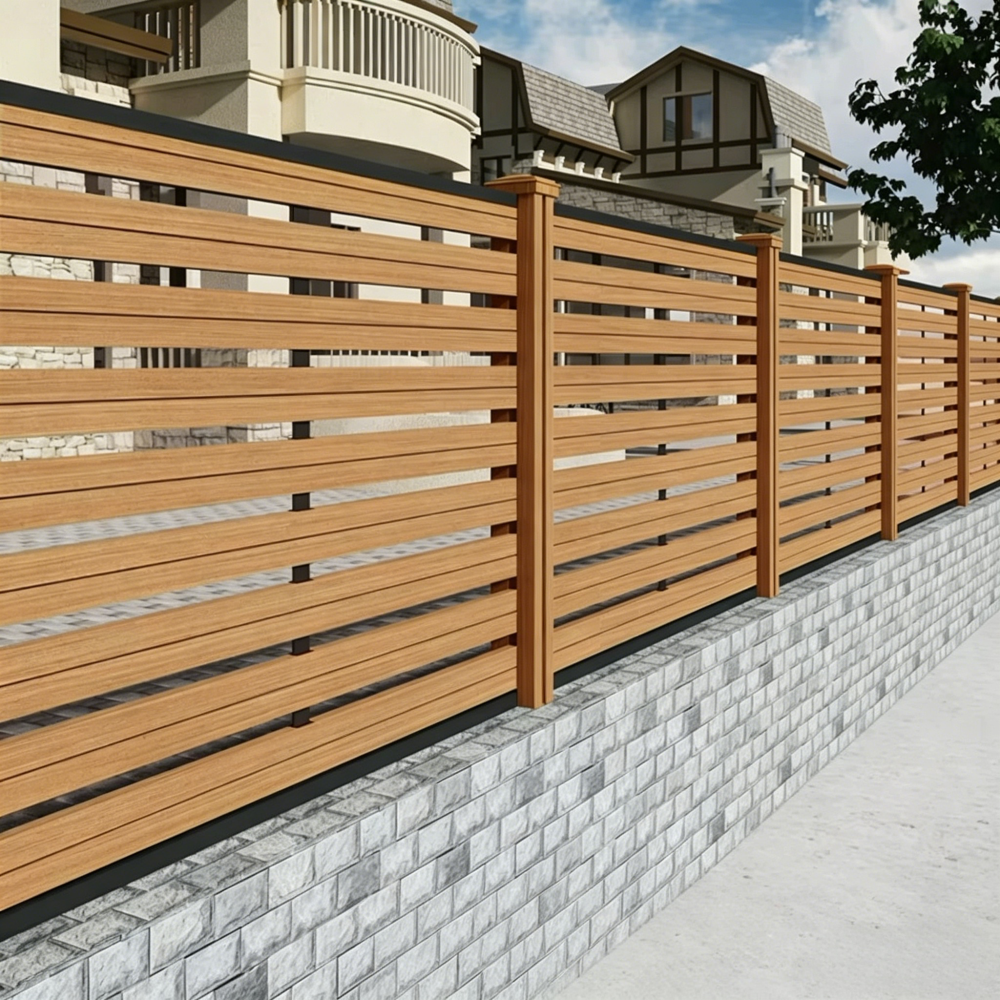
Proper Care for Composite Fencing
Knowing the Best Cleaning Methods and Safe Cleaning Solutions to Avoid Deterioration of Composite Fencing
Routine and proper cleaning of your composite fencing will leave your fencing looking its best and feeling its best for years to come. At a minimum, give your composite fencing a good cleaning and washing annually. If your composite fencing is along an area that is dusty, humid, or has a lot of pollen, consider extending the washing schedule and doing a light rinse every 3 to 4 months. Remember to use a soft bristle brush, a neutral pH soap, and a garden hose. A pressure washer will cause more damage than good and can damage and cause the protective cap layer to delaminate and etch. When washing, brush along the grain to avoid scratches and rinse to prevent the soap from creating a soap scum that attracts dirt. This washing routine is low cost and easy to implement, and won't void your fencing warranty or shorten your fencing's life.
Removing Common Surface Problems on Your Composite Fencing
Although composite material is durable, it will inevitably be exposed to the elements. Mold and mildew can grow on composite fencing in dark and damp areas. If that happens, try using a mixture of vinegar and water (1 part white vinegar to 3 parts water) or an approved manufacturing fungicide. A soft bristle brushing or light rinse can remove the yellow film left from heavy pollen. Tannin leaching, which is the brown, streaks near the wood-based posts and hardware, can be treated using an oxalic acid cleaner. Efflorescence is a powdery white residue that is a normal sign of a new installation, but will fade over time. If it does not fade after a while, oxalic acid can be used and a thorough rinse should be done afterwards. Do not use bleach, ammonia, or any harsh cleaning products, as they can void your warranty and discolor the fencing.
Comprehensive proactive care is required to maximize the longevity of composite fencing.
Evaluating fasteners and post embeddedness as well as thermal expansion gaps and moisture trapping
Longevity is determined to a large extent by the structure. Conduct quarterly surveys focusing on the following four aspects:
Fasteners: Replace standard steel screws/nails with stainless steel or polymer coated to avoid rust-induced loosening or staining.
Post embeddedness: Ensure posts are still plumb and fully embedded, soil erosion can lead to a heave effect and frost will undermine the posts over time.
Thermal expansion gaps: Recommended spacing of 1/4” for every 12’ of run should be maintained to allow thermal movement and avoid buckling and/or warping.
Moisture trapping: Use a manufacturer’s recommended sealant to avoid freeze/thaw cycles and to combat the growth of fungus.
Implementing each of the checks will extend the life span of the fence by 15 – 20 years and will reduce the risk of premature replacement by 30%, based on a no proactive repair strategy.
Maintenance of Composite Fencing Compared to Wood and Vinyl Fencing
Composite fencing simplifies your fencing work, falling midway between wood and vinyl fencing. Wood fencing requires tough periodic maintenance. Maintenance costs composite fencing under a dollar a linear foot, compared to wood fencing. The comparisons in the section below highlight the differences.
Material Maintenance Cost Per 150 Linear Feet Expected Lifespan Maintenance Procedures
Wood $50-$150 (staining, sealing, repairs) 15-20 years Seal and stain each year or every two years and check for rot and insect damage.
Vinyl $10-$30 (just washing) 30+ years You only need to spray it some times.
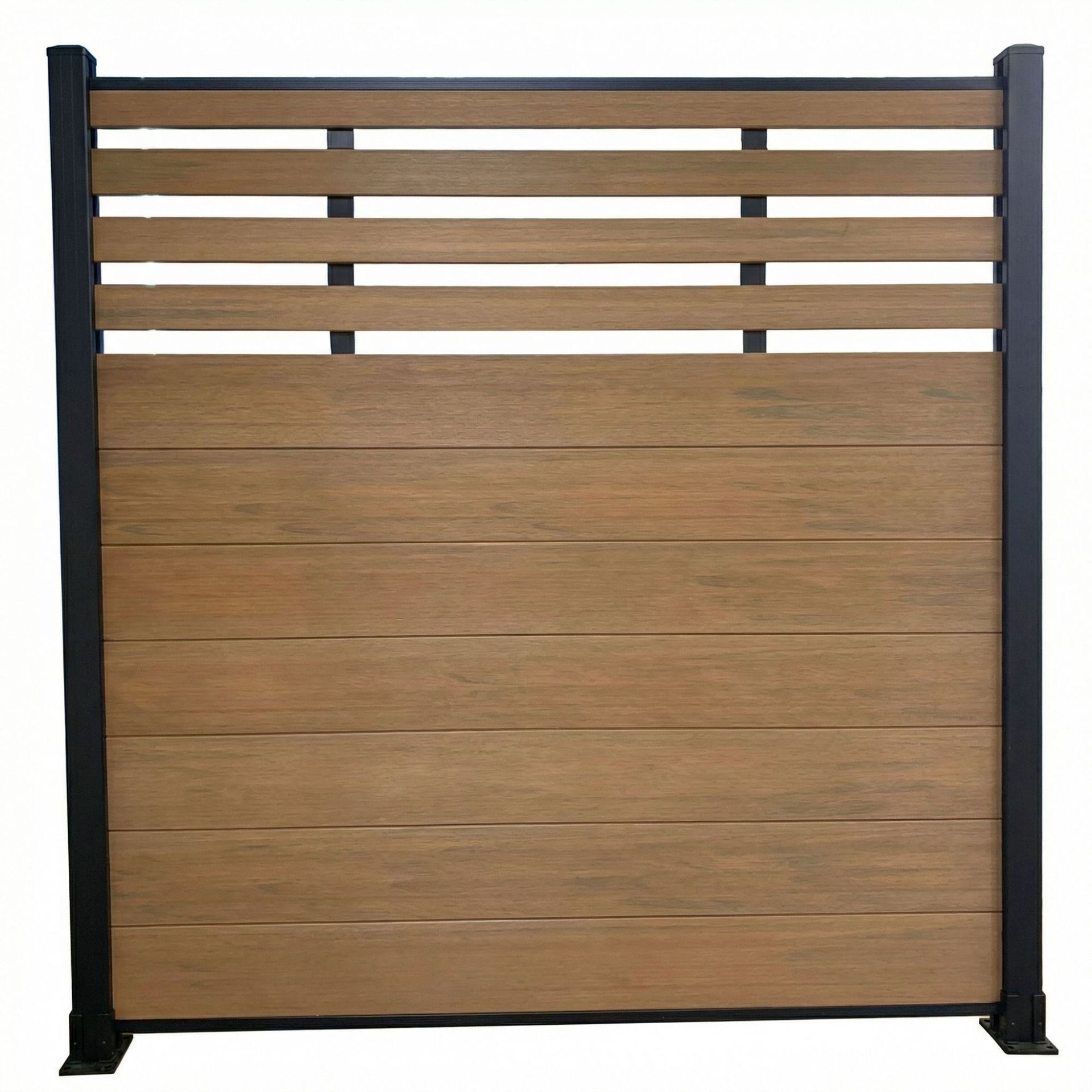
Composite $7.50-$22.50 (just cleaning) 20-30 years Wash with soap and water and check fasteners and panels.
If you want the natural feel of wood fencing, composite fencing is the best alternative. It is designed to look and function like wood, but isn’t as maintenance-heavy. Composite fencing gives you value for your investment with recyclable and weather stable materials, something wood fencing cannot offer. The increase in inspections over vinyl fencing is worth the aesthetics and bug proof features, especially in extreme climates.
Frequently Asked Questions
Does Composite Fencing Really Need Zero Maintenance?
Your composite fencing will be easy to maintain. But it is not maintenance free. To achieve a long lasting look and function you will need to wash it with soap and water, which will keep it looking like new.
Is a pressure washer okay for washing a composite fence?
Pressure washers should not be used on a composite fence. Instead, a composite fence can be washed down with a garden hose, some pH-neutral detergent, and a soft-bristle brush.
What mishaps would it be good to avoid while washing composite fencing?
Washing composites with bleach, ammonia, or other abrasive cleaners should be avoided as they can void warranties and discolor the fencing. Additionally, more aggressive tools such as wire brushes or knives should not be used as they will scratch the fence.
How often should a composite fence be washed?
Composite fencing should be washed down annually, although areas with high levels of pollen, dust, or humidity can necessitate a rinse as often as once every three to four months.
What is the average span of composite fencing?
With the proper care, composite fencing can last up to thirty years, although the manufacturer and level of maintenance can greatly affect this duration.