 EN
EN

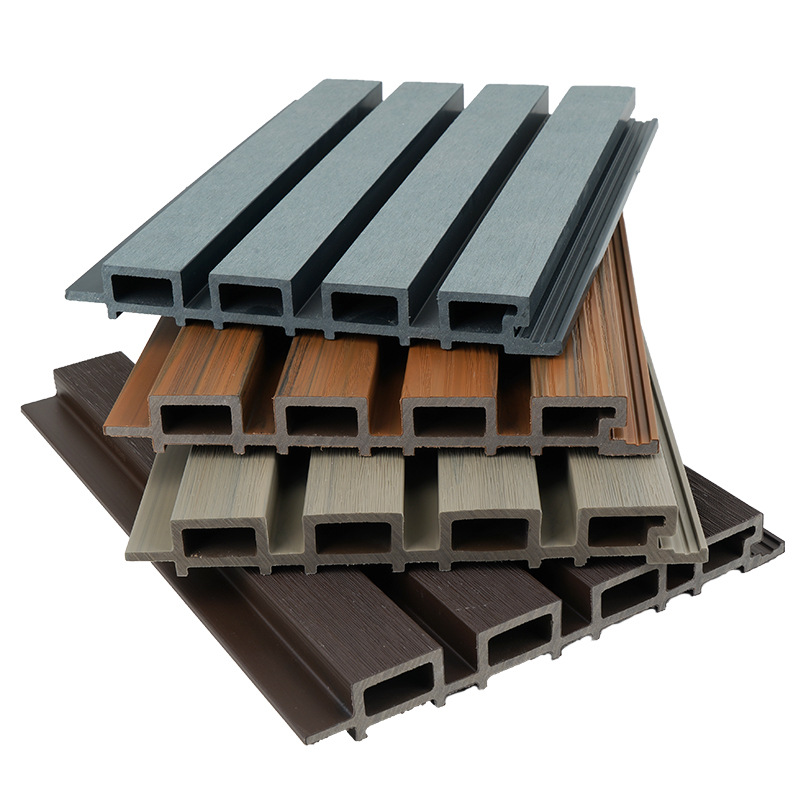
How Acoustic Wall Panels Absorb Sound Energy
Viscoelastic Damping: Converting Sound Waves into Negligible Heat Energy
Sound waves are kinetic energy that travels through air until they encounter surfaces. Hard surfaces like concrete or glass reflect most sound, causing echoes and reverberation. Acoustic wall panels, however, are engineered to absorb this energy through viscoelastic damping. Constructed from porous materials—such as open-cell foam, mineral wool, or polyester fibers—they contain a labyrinth of internal air pockets. When sound waves enter these pores, they induce minute vibrations in the fibers and cell walls. This motion creates internal friction, converting sound energy into a negligible amount of heat that dissipates instantly. The process is especially efficient for mid-to-high frequencies—the range most critical to speech clarity—resulting in measurable reductions in reflected sound, lower ambient noise, and improved acoustic comfort. Because the heat generated is imperceptible, panels remain cool to the touch even after prolonged exposure to loud environments. This damping mechanism is the foundational science behind their ability to minimize reverberation.
Decoding NRC Ratings—Why an NRC of 0.75 Means 75% of Mid-to-High Frequency Sound Is Absorbed
The Noise Reduction Coefficient (NRC) is the industry-standard metric for quantifying a panel’s sound absorption efficiency. Tested per ASTM C423, it averages absorption across four octave bands (250, 500, 1000, and 2000 Hz)—the frequencies most vital to speech intelligibility. An NRC of 0.75 means the panel absorbs 75% of incident sound energy in that range, reflecting only 25% back into the room. Importantly, NRC reflects absorption, not overall noise reduction—and it does not account for low-frequency performance, which often requires thicker panels or dedicated bass traps. For commercial spaces, an NRC of 0.75 is considered high-performance, significantly reducing reverberation and improving acoustic clarity. Open-plan offices typically benefit from panels rated NRC 0.70 or higher; recording studios may require 0.90+. Understanding NRC enables evidence-based decisions that directly support occupant comfort, focus, and communication effectiveness.
Reducing Reverberation and Eliminating Distracting Echo
Cutting RT60 reverberation time by up to 40% through strategic acoustic wall panels placement
Reverberation time (RT60)—the time required for sound to decay by 60 decibels—directly influences speech clarity. In untreated rooms with hard surfaces, repeated reflections lengthen RT60, blurring voices and impairing comprehension. Strategic placement of acoustic wall panels can reduce RT60 by up to 40% in typical open-plan offices and meeting rooms. The most effective approach targets primary reflection paths: parallel walls, ceiling corners, and zones adjacent to sound sources. Covering just 20–30% of total wall surface with high-NRC panels is often sufficient to absorb the mid- and high-frequency energy that sustains reverberation. Mounting panels at first-reflection points intercepts sound before it bounces, while ceiling-mounted baffles suppress vertical flutter echoes. This targeted treatment brings RT60 into the ideal 0.4–0.8 second range for speech intelligibility—transforming acoustically chaotic spaces into focused, communicative environments.
Echo vs. reverberation: How acoustic wall panels enhance speech intelligibility in open spaces
Echo and reverberation are distinct phenomena with different acoustic effects. An echo is a discrete, delayed repetition—often caused by a single large, distant reflective surface. Reverberation is a dense, overlapping decay of many reflections that smears speech into an indistinct wash. In open spaces, both degrade intelligibility by masking consonants—the high-frequency sounds that carry meaning. Acoustic wall panels absorb energy across a broad frequency spectrum, weakening late-arriving reflections and shortening the decay tail. This preserves the integrity of the direct sound path, sharpening syllable distinction and improving metrics like Speech Transmission Index (STI) and consonant discrimination. By controlling both discrete echoes and diffuse reverberation, panels convert acoustically challenging environments into spaces where speech remains crisp, clear, and effortlessly understood.
Boosting Acoustic Comfort and Communication Clarity
Measurable improvements in STI and consonant discrimination after acoustic wall panels installation
Poor acoustics disproportionately mask high-frequency consonants—like ‘t’, ‘s’, and ‘f’—which convey linguistic meaning but carry little acoustic energy. Acoustic wall panels mitigate this by absorbing excess reverberant energy, thereby preserving the direct sound path and reducing temporal smearing. Field data show STI scores commonly rise from 0.45 (‘fair’) to 0.65 (‘good’) post-installation—a clinically meaningful improvement in speech intelligibility. A 2023 study in K–12 classrooms reported a 30% increase in consonant discrimination scores following panel installation. These gains reduce cognitive load on listeners, improve comprehension, and support collaboration in open offices and learning outcomes in educational settings—demonstrating how acoustic design directly enables human performance.
Proven Performance Across Real-World Spaces
Classroom retrofit case study: RT60 reduction and noise floor improvement with acoustic wall panels
A 2023 controlled retrofit of a mid-sized lecture hall illustrates the real-world impact of acoustic wall panels in critical listening environments. Prior to treatment, the space suffered from an RT60 of 1.2 seconds—well above the recommended 0.6–0.8 second target—rendering speech muddy and fatiguing for students and instructors alike. The intervention involved strategically installing high-NRC panels on rear and side walls to manage dominant reflection paths.
Post-installation measurements confirmed a 35% reduction in RT60—to 0.78 seconds—placing it firmly within the optimal range for speech clarity. The treatment also lowered the ambient noise floor by 4 dB, a perceptible improvement that enhances the signal-to-noise ratio for consonant detection. These physical changes translated directly to cognitive performance: student speech recognition scores increased by 20%, validating the link between acoustic treatment and learning efficacy.
FAQ Section
What are acoustic wall panels made of?
Acoustic wall panels are typically made of porous materials such as open-cell foam, mineral wool, or polyester fibers that help absorb sound energy.
What is NRC, and why is it important?
NRC stands for Noise Reduction Coefficient, which measures the efficiency of a material in absorbing sound. It indicates the percentage of sound absorbed by the panel across specific frequencies.
How do acoustic wall panels reduce reverberation?
By absorbing sound energy rather than reflecting it, acoustic wall panels shorten the reverberation time (RT60), enhancing speech clarity and reducing ambient noise.
Where should acoustic panels be placed for maximum effectiveness?
Placing acoustic panels on primary reflection paths, such as parallel walls, ceiling corners, and zones near sound sources, maximizes their effectiveness in reducing echo and reverberation.
Can acoustic wall panels improve speech intelligibility?
Yes, acoustic wall panels absorb excess sound energy, preserving the direct sound path and enhancing speech intelligibility by reducing temporal smearing and improving consonant recognition.