 EN
EN

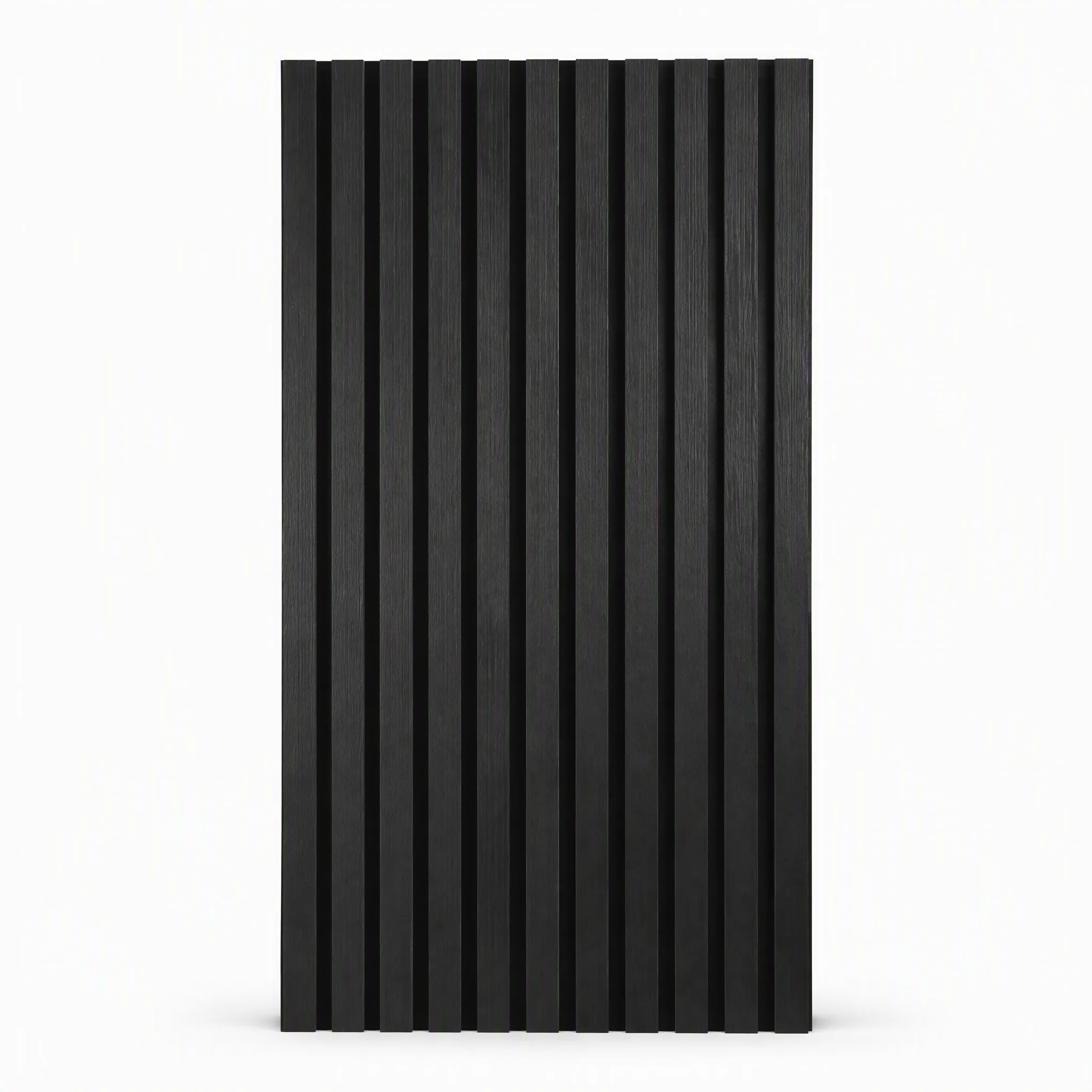
Specifiers often treat sound control and interior style as opposing goals. Modern acoustic wall panels close that gap by unifying a finished face with a measured absorptive core, so one product serves two briefs at once. The question is no longer whether a room can look good and stay calm, but how to specify the right panel for the job.
The Experience Behind a Quiet Room
A Restaurant That Lost Its Regulars
A bistro in a historic district opened with exposed brick, steel beams and tall windows. The look drew crowds, yet the room fell quiet after the first month. Hard surfaces reflected every chair scrape and conversation, keeping the space loud even at half capacity. Regulars drifted to calmer competitors, and weekend covers dropped. The owner faced a real trade-off: keep the raw industrial style or strip it for calm. Acoustic wall panels entered the discussion only after a consultant measured reverberation and explained the physics, not through a sales pitch.
How Acoustic Wall Panels Turned It Around
The team chose slatted, wood-tone panels with a printed 3D relief across the back wall and ceiling soffit. Installation took one weekend with no structural change. Within days, guests could hold a conversation at normal volume, and average table time rose. The venue kept its industrial character while cutting echo that had driven people out. That single change protected revenue without a full redesign, proving that decoration and acoustic wall panels need not compete for the same wall.
How One Panel Does Two Jobs
The Decorative Surface
The visible layer carries the design brief. Color, 3D relief, printed texture and edge profile let the panel read as millwork, stone or branded graphics that integrate into the room's concept. A matte or fabric face hides the technical role and meets the specifier's aesthetic intent. Because the surface is printed or laminated rather than painted on site, finish quality stays consistent across hundreds of square feet. Acoustic wall panels thus start as a design element before they perform any acoustic function, which keeps architects and owners aligned from the first sketch.
The Absorptive Core of Polyester and Rock Wool
Behind that face sits a high-density polyester fiber layer compacted with fire-resistant rock wool and bonded by a non-toxic eco-friendly adhesive. Sound waves entering the perforations or slits meet porous material that converts kinetic energy into tiny amounts of heat through friction, lowering reverberation. The rock wool adds thermal and fire resistance while the polyester keeps the panel light and stable. The core does the acoustic work; the surface does the visual work, and neither compromises the other. This split is why specifiers can rely on acoustic wall panels to satisfy both the design review and the acoustic report.
The Numbers Buyers Should Read
NRC, Reverberation and Speech Intelligibility
Performance lives in measurable values. The noise reduction coefficient (NRC) reports average sound absorption across speech frequencies, while reverberation time shows how long a sound lingers after the source stops. Lower reverberation raises speech intelligibility, a key metric in restaurants and meeting rooms. Decibel readings before and after treatment reveal the real gain. Specifiers should read these numbers alongside the panel's appearance, because a beautiful surface with poor NRC still leaves a room noisy and tires the people inside it. Buyers who compare acoustic wall panels by NRC, not by showroom looks, avoid that trap.
Standards That Prove Performance
Credible products point to recognized test methods rather than marketing claims. Sound absorption is measured under ISO 354 and reported per ASTM C423, which defines the NRC result buyers compare. Fire behavior references EN 13501, and the factory's ISO9001, CE, SGS and E0 formaldehyde class cover production and indoor safety. OSHA noise guidance helps justify treatment in workplaces where constant background sound hurts concentration. Ignoring that background sound creates a hidden risk: staff fatigue and guest complaints rise where the room never settles. Asking for test reports turns a style decision into a documented specification, so procured acoustic wall panels survive procurement review.
Buying, Placing and Maintaining
What to Inspect Before Purchase
Procurement teams should request the NRC test report, the fire rating and the E0 emission certificate, then confirm panel thickness and core composition. Check that the decorative surface is factory-finished so on-site painting cannot block the absorptive face. Verify edge profiles and accessory compatibility for a clean joint. Samples under real lighting expose color drift, while a small mock-up on the actual wall confirms the look. These steps separate genuine acoustic wall panels from decorative boards with no measured performance, protecting the budget from false claims.
Placement and Upkeep Advice
Coverage matters more than hero pieces. Spread panels across the surfaces that first catch sound — back walls, ceilings and opposite hard planes — rather than clustering them in one corner. Leave the absorptive face unobstructed by shelving or signage. A common risk is placing panels only where they are visible, leaving opposite parallel walls bare so flutter echo persists. Treat the room as a whole, not a feature wall. Cleaning uses a soft brush or low-suction vacuum; avoid soaked cloths that could swell the core. Inspect fixings each season in humid rooms, and keep ventilation steady. Documented care routines help facility teams keep performance steady year after year, so the decorative surface stays sharp while the absorptive core keeps performing for the life of the fit-out.
Balancing aesthetics and acoustics is no longer a compromise. Well-specified acoustic wall panels pair a design-led surface with a tested absorptive core, delivering both visual identity and measurable quiet. For hotels, offices and restaurants, that combination protects guest comfort and brand image at once. The right choice starts with verified test data, sensible placement and simple upkeep — clear proof that one panel can truly do two jobs in a single, finished product.
Frequently Asked Questions
Question
What makes a single panel both decorative and sound-absorbing?
Answer: A decorative printed or laminated surface sits above a porous core of high-density polyester fiber and fire-resistant rock wool. The face carries color, 3D relief and texture for visual design, while the core traps sound waves and cuts reverberation. Because the two layers bond in the factory, one product delivers both finishes without a separate treatment behind the wall.
Question
Why does the noise reduction coefficient matter for restaurants?
Answer: The noise reduction coefficient (NRC) reports how much sound a surface absorbs across speech frequencies, usually between 0.00 and 1.00. In a restaurant, a low NRC means voices and clatter bounce and build, forcing guests to raise their own volume. A higher NRC lowers reverberation and protects speech intelligibility, so diners stay comfortable and stay longer. Reading the NRC turns a style choice into a measurable comfort decision.
Question
How is the decorative surface finished on these panels?
Answer: Factory printing or lamination applies color, 3D relief and texture to a stable base, so the finish stays uniform across large wall areas. A matte or fabric face hides the technical role and reads as millwork or stone. Because the surface is sealed in production, on-site painting is unnecessary and cannot block the absorptive face. Specifiers choose profiles and graphics that match the room concept without altering acoustic performance.
Question
Can acoustic wall panels meet fire safety requirements?
Answer: Yes. Quality boards combine high-density polyester fiber with fire-resistant rock wool and hold recognized fire classifications such as EN 13501. The factory also carries ISO9001, CE, SGS and E0 formaldehyde certification for indoor safety. Specifiers should request the fire test report and confirm the rating for the specific installation zone. Proper mounting and clearances further support compliance, so the panels add acoustic value without creating a new fire risk in occupied spaces.
Question
Which rooms benefit most from combined decorative acoustics?
Answer: Hotels, open-plan offices, restaurants and reception areas gain the most, because these spaces mix hard finishes with constant human activity. Lobbies, dining halls and meeting rooms suffer echo that hurts comfort and speech clarity. A panel that looks intentional while absorbing sound suits branding and acoustic needs together. Corridors, studios and retail floors also benefit. The right pattern depends on room size, occupant density and the visual identity the project must protect.