 EN
EN

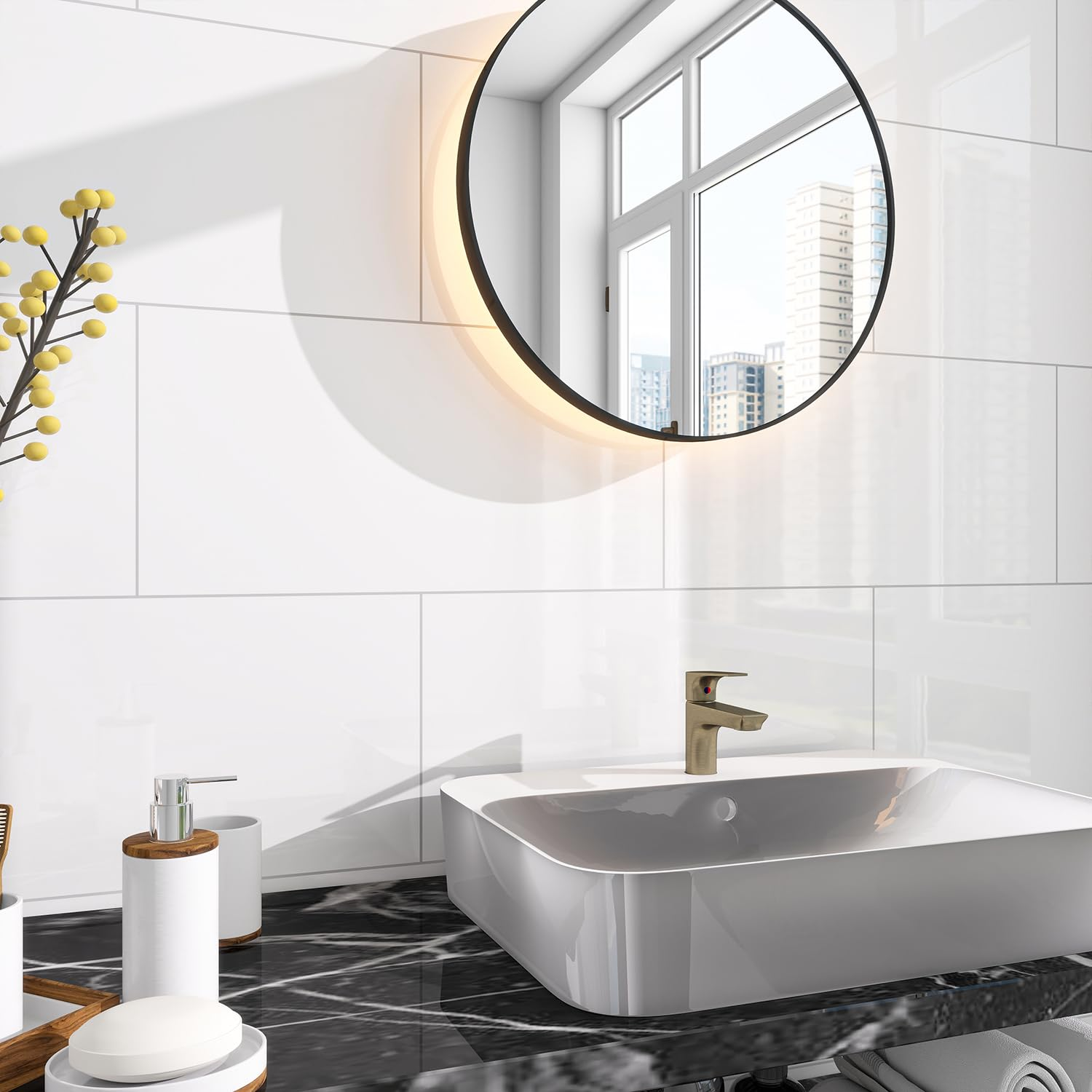
Waterproof Wall Panels Maintenance Guide: Cleaning, Material Care, and Long-Term Protection
Walk into any modern bathroom or wet area, and you will see them increasingly replacing traditional tile—waterproof wall panels. They are sleek, seamless, and marketed as low-maintenance solutions. But the reality is that even the most advanced panels require consistent care to deliver their promised longevity.
Here is what facility managers, contractors, and homeowners need to know about maintaining waterproof wall panels—from daily wipe-downs to material-specific cleaning and proactive leak prevention.
Daily and Weekly Cleaning Best Practices
After each use of the shower or wet area, squeegee or wipe waterproof wall panels with a soft microfiber cloth to remove standing water and soap film. This simple step prevents mineral deposits from etching the surface over time. Industry research indicates that daily microfiber wiping can significantly reduce surface biofilm compared to weekly-only routines—directly lowering mold risk.
Weekly, perform a deeper clean using a pH-neutral, non-abrasive cleaner and warm water. Avoid bleach, vinegar, scouring powders, or abrasive pads, as these degrade protective coatings. Apply cleaner with a soft sponge, working in circular motions from top to bottom, then rinse thoroughly. Finish by drying with a lint-free towel to prevent water spots. For textured panels, use a soft-bristle brush to gently dislodge debris from grooves—never scrub aggressively. Consistently following this rhythm—daily light wipe, weekly deep clean—can reduce long-term deep-cleaning effort by nearly 40%.
From the field: A facility manager at a commercial gym with over 200 shower stalls reported that after implementing a strict daily wipe-down protocol, their annual panel maintenance budget dropped by 35%. “We used to have to replace panels every three years due to soap scum buildup and surface dulling. Now we are going on five years with the same panels.”
How Material Composition Influences Cleaning
Material composition dictates both cleaning tolerance and technique.
Rigid PVC Panels
Rigid PVC panels feature a dense, non-porous surface highly resistant to staining and moisture penetration. They tolerate daily wiping with mild cleaners and respond well to weekly deep cleans—though acidic or solvent-based products should still be avoided. PVC panels are generally the lowest-maintenance option among panel types.
Flexible Vinyl Panels
Flexible vinyl panels often have a printed decorative layer bonded to a flexible substrate, making them vulnerable to abrasion and chemical damage. Daily cleaning should involve only a damp microfiber cloth; weekly deep cleans require a detergent specifically formulated for vinyl to prevent delamination or gloss loss.
Advanced Polymer Composite Panels
Advanced polymer composite panels—typically reinforced with acrylic cores and UV inhibitors—are engineered for high impact resistance and dimensional stability. While durable against scuffs, they are sensitive to alkaline cleaners that disrupt the polymer matrix. Use only pH 7.0 neutral cleaners weekly to preserve surface integrity.
From the field: A residential contractor shared: “I installed PVC panels in a client‘s master bath and vinyl panels in the guest bath. Three years later, the PVC still looks new. The vinyl has some dulling near the shower head from cleaning product overspray. I now specify PVC for all high-use bathrooms.”
Waterproof Wall Panels vs. Traditional Tile: Maintenance Comparison
When evaluating wall coverings for wet areas, ongoing maintenance—not just upfront cost—often determines long-term value.
| Maintenance Factor | Traditional Tile | Waterproof Wall Panels |
|---|---|---|
| Weekly cleaning time | 20–30 minutes | Under 5 minutes |
| Annual cleaning hours | 20–30 hours | 4–6 hours |
| Grout maintenance | Scrubbing + resealing every 6–12 months | None |
| Caulk replacement | Every 1–3 years | Every 12–18 months (interlocking panels) |
| Specialized cleaners required | Yes (grout cleaners, sealers) | No (pH-neutral only) |
| Annual labor cost (est.) | Higher | Lower |
The grout burden: Tiled surfaces introduce dozens of porous grout lines that trap soap scum, body oils, and moisture—creating ideal conditions for mold and mildew. Industry estimates indicate a standard tiled shower demands 20–30 minutes of deep cleaning per week, while seamless waterproof wall panels can be maintained in under 5 minutes.
Caulk failure points: Even with diligent grout care, tiled installations rely on silicone caulk at changes of plane and fixture junctions. Under constant humidity and thermal cycling, caulk degrades—developing cracks within 1–3 years that allow water to infiltrate behind the wall. In contrast, modern waterproof wall panels are engineered with minimal, factory-finished seams or precision interlocking edges that eliminate the need for field-applied caulk. Leading systems use compression joints or welded seams designed to remain watertight for decades without resealing.
From the field: A hotel maintenance director noted: “We converted 50 guest bathrooms from tile to panels five years ago. The tile bathrooms required weekly grout scrubbing and annual recaulking. The panel bathrooms need a quick wipe-down and quarterly seam checks. We have saved over $15,000 annually in labor and materials.”
Proactive Care: Seam Checks and Leak Detection
Though waterproof wall panels resist moisture intrusion, seams remain the most vulnerable points.
Quarterly seam inspections:
-
Visually inspect all joints, corners, and perimeter edges
-
Look for gaps, lifting, discoloration, or caulk shrinkage
-
Use a flashlight to detect subtle cracks that could permit vapor infiltration
Caulk maintenance:
-
Reapply high-quality, mold-resistant silicone caulk every 12 to 18 months
-
Replace sooner in high-humidity or steam-prone bathrooms
Leak detection tools:
-
Immediately investigate any surface anomalies: discoloration, bubbling, or soft spots
-
Use a moisture meter to identify elevated humidity levels behind panels before visible damage occurs
-
This non-invasive diagnostic tool helps catch leaks early—minimizing remediation scope and cost
Consistent seam monitoring is the most effective way to prevent mold growth, structural compromise, and costly repairs.
Debunking ‘Zero-Maintenance‘ Marketing Claims
While waterproof wall panels drastically reduce upkeep compared to tile or drywall, the “zero-maintenance” label used in some marketing misrepresents reality.
What panels do:
-
Resist moisture, stains, and mold far better than absorbent substrates
-
Eliminate grout scrubbing
-
Reduce cleaning time by 80% or more
What panels do not do:
-
Self-clean
-
Resist all physical wear
-
Require zero attention
Real-world expectations:
-
Dust, soap scum, and hard-water deposits still accumulate and require periodic wiping
-
Seams—whether interlocking or caulked—can allow moisture ingress if left unchecked
-
Even premium PVC or composite panels can scratch, dent, or discolor under impact or improper cleaning
From the field: A homeowner shared her experience after installing panels: “I was attracted to the ‘zero maintenance‘ claim. But after three months, I noticed soap film building up near the shower head. I realized I still needed to wipe it down—just a lot less often than my old tile. Now I do a quick wipe after every shower, and it takes maybe 30 seconds. That is a trade-off I am happy with.”
Why This Matters for Long-Term Value
Waterproof wall panels represent a significant upgrade over traditional tile for wet areas—but they are not magic. They require informed, consistent care to deliver their full lifespan.
The key principles:
-
Daily wiping prevents soap film and mineral buildup
-
Weekly pH-neutral cleaning removes embedded soils
-
Material-specific care matches cleaning technique to panel type
-
Quarterly seam checks catch problems early
-
Accepting realistic expectations avoids disappointment
For facility managers and homeowners willing to invest five minutes per week, waterproof wall panels offer decades of beautiful, low-maintenance service—and they eliminate the grout-scrubbing and caulk-replacing headaches that tile owners endure year after year.
FAQ
How often should waterproof wall panels be cleaned?
Waterproof wall panels should be wiped daily to remove water and soap film and deep cleaned weekly using a pH-neutral cleaner for optimal maintenance.
Are PVC panels easier to maintain compared to vinyl and composite panels?
Yes, PVC panels are denser and have non-porous surfaces, making them more tolerant to frequent cleaning and resistant to stains compared to vinyl and composite panels.
Do waterproof wall panels completely eliminate maintenance efforts?
No, while they reduce maintenance efforts significantly, they still require regular cleaning, seam inspections, and occasional re-caulking to maintain system integrity over time.
How do waterproof wall panels compare to traditional tiles in maintenance?
Waterproof wall panels demand considerably less cleaning time and eliminate grout line upkeep and caulk resealing, providing a more cost-effective and labor-efficient alternative to tiles.
What tools can help in detecting early leaks in wall panels?
Moisture meters and visual inspections with flashlights are effective tools for detecting early leaks or vapor infiltration behind waterproof wall panels.