 EN
EN

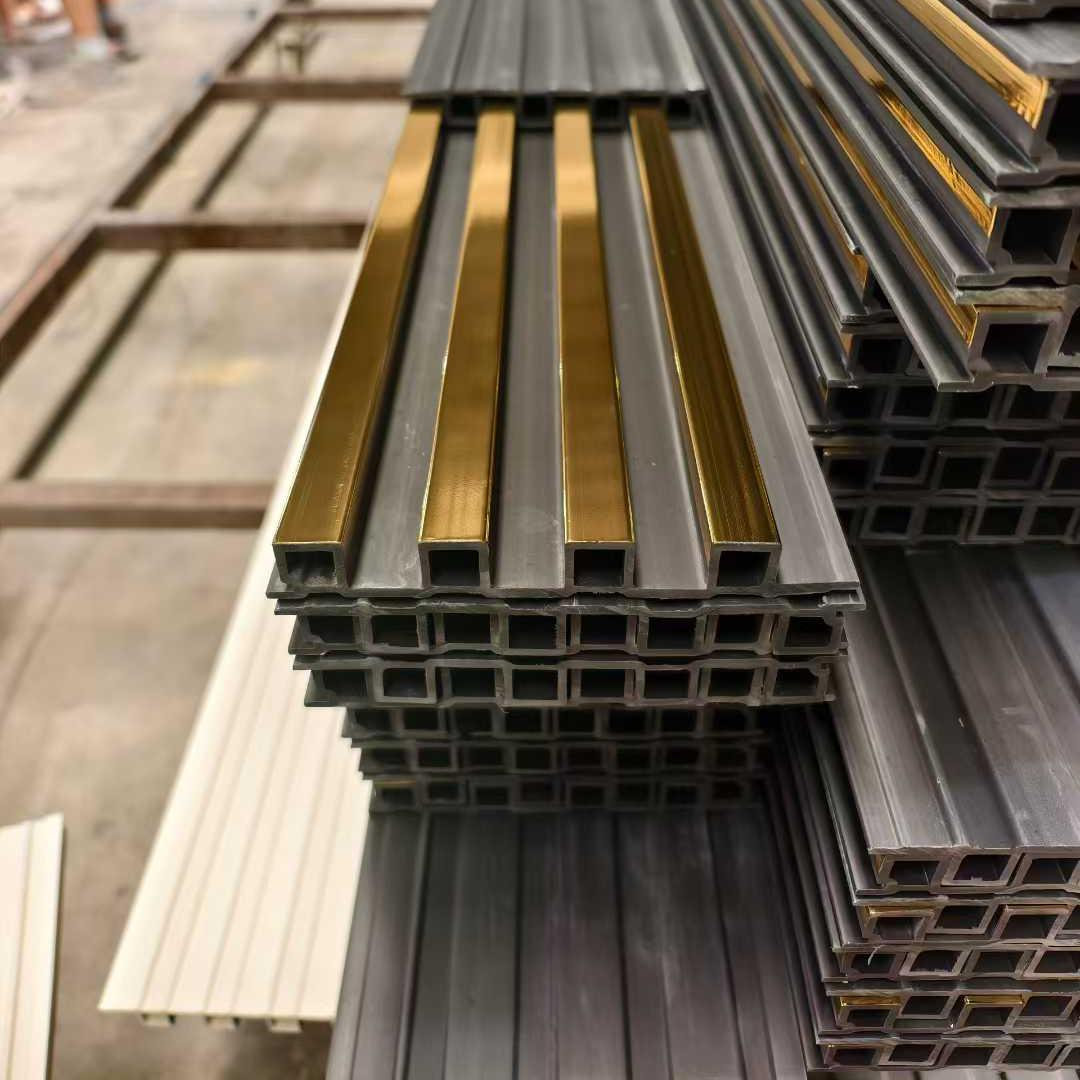
Walk onto any construction site, and you’ll likely see the same scene: stacks of traditional wood panels, some warped from moisture, others showing the first signs of insect damage. For decades, wood was the default choice, but contractors and architects are increasingly frustrated with its inherent limitations—the constant maintenance, the unpredictable behavior in humid environments, and the endless callbacks from clients. This is where the discussion about WPC wall panels becomes more than just academic; it’s a practical, on-the-ground necessity. A genuine alternative has emerged, promising the aesthetic of wood without the headaches, and the question on everyone's mind is whether it can truly stand as a replacement or if it remains a niche product for specific use cases.
Beyond the Surface: What Makes WPC a Serious Contender
To understand the potential of WPC wall panels, it’s essential to look at what they’re made of. WPC, or Wood-Plastic Composite, is engineered from a blend of natural wood fiber, food-grade thermoplastics like PP/PE, and specialized additives for UV resistance and anti-aging. The manufacturing process is key to its performance. As with materials produced by industry leaders, wood fiber is carefully dried to a precise moisture content of 8-10% before being uniformly mixed with polymers and additives. This mixture is then subjected to high-temperature extrusion (around 160-180°C), followed by rapid cooling, shaping, and finishing. This rigorous method, which we've observed in advanced production facilities, creates a dense, stable board that is fundamentally different from its natural counterpart. The integration of the polymer matrix encapsulates the wood fibers, providing a robust defense against the primary enemies of traditional wood: moisture and pests.
Durability in Action: A Side-by-Side Look
The true test of any material is how it performs over time. Let’s compare traditional wood panels with WPC panels in a real-world scenario. The difference is stark, as illustrated in the table below.
Table 1: Performance Comparison: Traditional Wood vs. WPC Wall Panels
| Feature / Scenario | Traditional Wood Wall Panels | WPC Wall Panels |
|---|---|---|
| Moisture & Humidity | High absorption; prone to swelling, warping, and rotting. | Very low absorption; excellent dimensional stability in wet conditions. |
| Insect & Pest Resistance | Vulnerable to termites, borers, and other wood-destroying pests. | Highly resistant; the plastic matrix deters pests, making it a reliable choice for the building sector. |
| UV & Weather Exposure | Fades, grays, and cracks over time without regular staining or sealing. | Formulated with UV inhibitors; superior color retention and resistance to degradation. |
| Maintenance Requirements | High; requires regular sanding, staining, painting, and sealing. | Low; occasional cleaning with soap and water is typically sufficient. |
| Expected Lifespan | Variable; can last decades with intensive maintenance, but often fails prematurely in harsh conditions. | Long-lasting; designed for 20-30+ years of minimal-maintenance service in most applications. |
Beyond durability, the ecological footprint is a growing concern for specifiers. The table below provides a comparative look at the environmental benefits of WPC panels.
Table 2: Environmental & Sustainability Comparison
| Factor | Traditional Wood Wall Panels | WPC Wall Panels |
|---|---|---|
| Resource Use | Consumes virgin timber; contributes to deforestation if not from certified sources. | Uses recycled plastic and reclaimed wood fiber, reducing waste and reliance on virgin trees. |
| Waste Generation | Significant on-site waste; offcuts are often not recyclable in a closed-loop system. | Many WPC products are manufactured with recyclable content and can be recycled at the end of their life. |
| Chemical Treatments | Requires toxic treatments for pest and rot resistance (e.g., pressure treatment). | The material's inherent composition eliminates the need for hazardous chemicals. |
The Commercial Case: Beyond the Initial Price Tag
From a business perspective, the question isn't just about material costs—it's about total cost of ownership. WPC wall panels often have a higher initial purchase price compared to basic lumber. However, the real advantage lies in the long-term savings and predictability they provide. For commercial projects, where labor costs are significant, the low-maintenance nature of WPC is a game-changer. Consider the cost of a maintenance crew to re-stain and seal a wooden facade every two to three years versus the simple, infrequent cleaning required for WPC. Furthermore, the durability of WPC reduces the risk of costly callbacks due to rot, warping, or insect damage. This reliability translates directly into stronger client relationships and a more solid reputation. The global market trend reflects this value, with the Asia Pacific region alone accounting for 49% of the PVC panels market, demonstrating a broad shift toward high-performance, low-maintenance building materials.
From Delivery to Installation: What to Expect
For a project manager, the installation process is a critical factor. WPC wall panels are designed for ease of use. They can be cut and shaped using standard woodworking tools, so the learning curve for experienced carpenters is minimal. The material’s lightweight nature and compatibility with traditional fastening systems make for a straightforward installation, often leading to faster project completion times. One of the most significant practical benefits is the reduction in on-site waste. As offcuts and trimmings are generated, they can often be collected and recycled, rather than ending up in a dumpster. Many leading manufacturers, like those with ISO9001-certified facilities, provide comprehensive technical support, including detailed installation guides and even on-site training for large-scale projects. This level of support, from free CAD drawings to expert advice, ensures that project risks are minimized from the very first panel to the final inspection.
Making the Switch: A Decision Backed by Evidence
After examining the technical data, financial logic, and practical realities, the conclusion is clear. WPC wall panels are not just a suitable replacement for traditional wood; for most modern commercial and residential applications, they are a superior solution. The technology addresses the critical weaknesses of wood—moisture, pests, and high maintenance—while delivering the aesthetic warmth and versatility that designers desire. The evidence from real-world installations, market trends, and rigorous material science all point in the same direction. This is why sourcing from an experienced, reputable manufacturer is paramount. A partner with over 28 years of export experience and products that meet CE, SGS, and ASTM standards, such as Naturwing (Hangzhou Feihuang Industry Co., Ltd.), provides the confidence that comes with certified quality and global expertise. Their commitment to custom formulations and fast production, backed by 40+ automated lines, proves that high-performance materials can be delivered on time and to spec. The choice is clear for any forward-thinking professional looking to build better, more sustainable, and more profitable projects.