 EN
EN

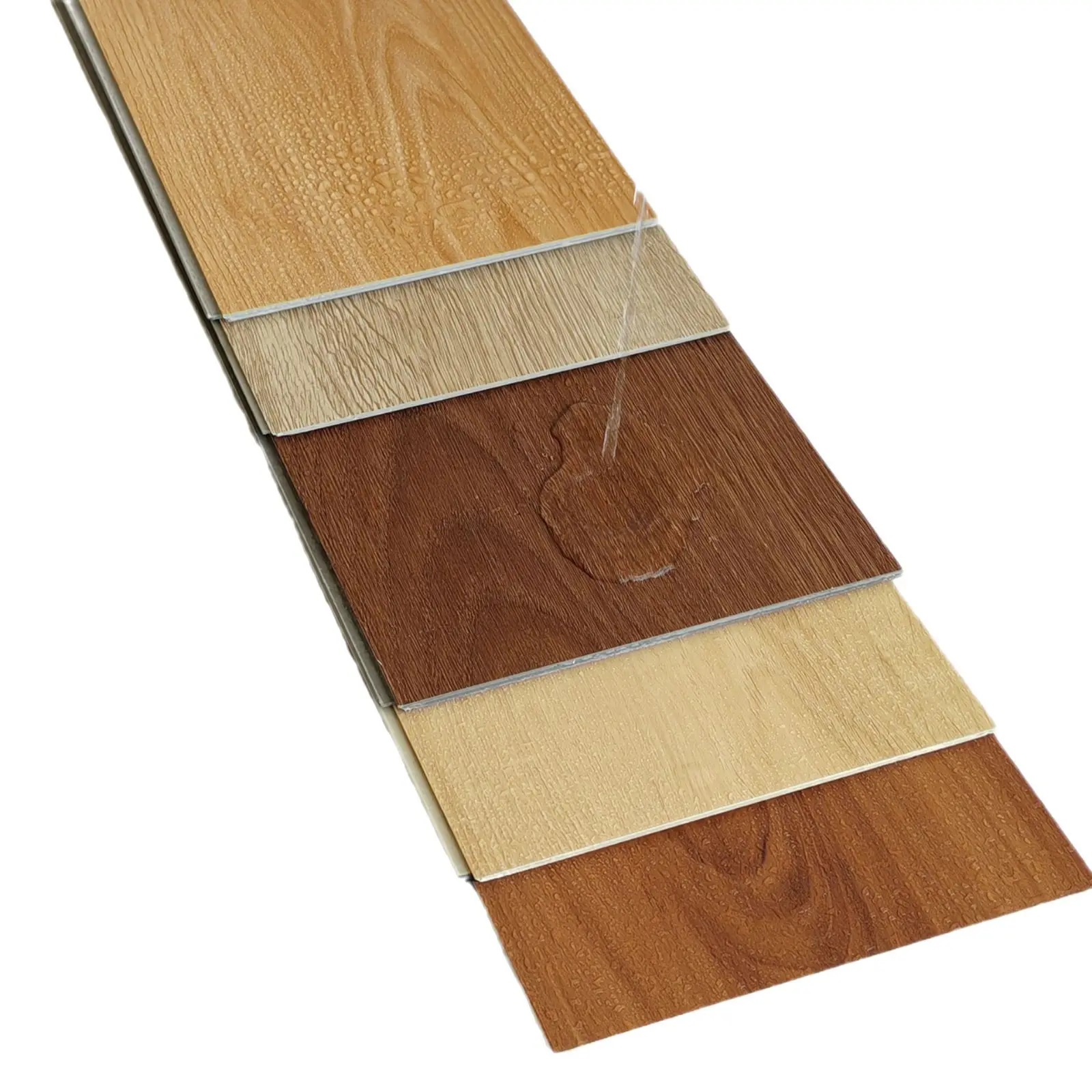
Real Project — Retail Store Over Old Ceramic Tile
The Background and the Problem
A downtown retail chain needed a full floor refresh before the holiday season, but the existing ceramic tile was still bonded firmly to the slab. Ripping it out would mean dust, debris, and at least two weeks of lost trading. The owner asked a simple question: could spc flooring go straight on top of the old tile and skip the demolition entirely?
That first question is where many renovations either save budget or create a hidden failure. Old ceramic is dimensionally stable and very flat once grout lines are filled, so it can host a thin floating system. The trap is assuming every existing floor behaves the same way. Wood, vinyl, and concrete each carry different risks that change the answer completely.
The Overlay Solution and Its Effect
The crew chose a 5.5 mm spc flooring plank with an attached pad and a 0.5 mm wear layer. Because the stone plastic composite core is dense and stiff, it bridged minor grout variation without telegraphing lines to the surface. Installation finished in three days instead of the planned fourteen, and the store reopened on schedule.
Sales-floor traffic returned immediately, and the new surface hid the old tile completely. The project proved that a careful overlay, done with the right prep, delivers a fast commercial result. The same method now guides similar retail and office upgrades where downtime carries a real cost to the operator.
When Overlay Works — and the Risk It Hides
Subfloor Types That Accept SPC Overlay
Established ceramic or porcelain tile, well-fixed sheet vinyl, and clean concrete all accept spc flooring when they are sound. The click-lock joints pull boards into a tight floating field that rides above minor imperfections. A solid wood subfloor also works if it is nailed down, dry, and flat within tolerance.
The danger appears with soft or loose material. Cushioned vinyl, peel-and-stick tiles that move, or a gapped laminate will compress underfoot and break the locking seam. An unstable base always defeats a rigid product, no matter how thick the core happens to be in the plank.
Flatness Tolerance You Cannot Ignore
A resilient floor follows the shape beneath it. When spc flooring is laid as a thin floating system, industry guidance such as ASTM F1700 and ANSI flatness notes expects no more than about 3 mm deviation over a 3 m straightedge. Higher spots create hollow drumming; low spots let the plank flex and the joint separate.
Grind high ridges and fill dips with a suitable patch before laying a single board. Skipping this step is the most common cause of post-installation noise and edge peaking. Flatness is not a suggestion — it is the foundation that keeps the rigid core performing as the design intended from the start.
The Technical Reason Thin Overlay Holds
Why Rigid Core Allows Direct Installation
The core is built from PVC resin and natural high-purity calcium carbonate, calendered to a uniform, dense board. That structure gives the product strong dimensional stability and almost no expansion from humidity. A thin plank therefore stays flat over a stable base without the thick plywood sublayer that laminate often requires for support. The dense calcium carbonate filler also lifts the wear layer's scratch resistance and keeps the plank dimensionally stable through seasonal humidity swings.
Because the click-lock profile engages on the edges, the field floats with a perimeter expansion gap and never bonds to the old floor. The rigid core resists the dents and deflection that soft vinyl shows under furniture. This is the engineering reason spc flooring can sit directly on a stable base where a flexible product would quickly fail. The outcome is a floating system that needs no adhesive and no nails, so the resilient flooring can later be lifted without harming the original substrate.
Moisture Testing With ASTM F2170
Concrete carries moisture long after it looks dry, and trapped vapor will loosen adhesive or foster mold under a sealed surface. Before spc flooring is placed over a slab, a qualified inspector uses an in-situ relative-humidity probe placed at depth, following ASTM F2170, to read the slab's true condition accurately.
Where a moisture meter shows high readings, a vapor barrier or dedicated leveling system is required first. ISO 10582 and related resilient-flooring references set the performance frame for these products in commercial use. Testing turns guesswork into a documented decision and protects the investment beneath the new surface for years.
Authority, Buying and Care Advice
Standards That Govern Resilient Flooring
Reputable spc flooring manufacturing follows ISO9001 production controls, CE and SGS verification, and an E0 formaldehyde class for indoor air safety. ASTM and EN references describe how resilient flooring should perform under load, impact, and wear. Specifying products with documented certification reduces procurement risk on commercial jobs of any size.
Buyers should request test reports rather than marketing claims. A documented chain — material, factory audit, third-party lab — builds the confidence that a large project demands. Standards exist to make the invisible visible, and a careful spec writer uses them as a practical filter against substandard supply.
Inspect, Buy, Install, and Maintain
Before purchase, confirm the core thickness, wear layer grade, and whether an underlayment is attached or separate. On site, verify flatness with a straightedge and run a moisture check on concrete. During installation keep a consistent expansion gap at walls and penetrations so seasonal movement always has room to act safely.
For care, sweep grit that scratches the wear layer and use a neutral cleaner without wax. Protect heavy fixtures with wide feet to spread load across the rigid core. Done right, spc flooring delivers a stable, low-noise surface that survives commercial traffic and keeps the original substrate exactly where it belongs — out of the demolition bin.
Frequently Asked Questions
Question
Can SPC flooring be laid over old ceramic tile?
Answer: Yes, provided the tile is firmly bonded, flat within tolerance, and dry. Fill grout lines first, check for any movement, and keep a perimeter expansion gap. The rigid stone plastic composite core bridges minor variation without telegraphing lines. A moisture check on the slab beneath is still advised before the floating field is laid.
Question
Why does subfloor flatness matter so much for a thin overlay?
Answer: A floating plank mirrors the surface below it. High spots cause drumming and a hollow sound, while low spots let the board flex and the click-lock joint separate. ANSI and ASTM F1700 guidance expects roughly 3 mm deviation over 3 m. Grinding ridges and patching dips first prevents edge peaking and the post-installation noise that follows.
Question
How is concrete moisture tested before an overlay?
Answer: A qualified inspector drills to depth and inserts an in-situ relative-humidity probe following ASTM F2170, then reads the slab after it equilibrates. Surface meters give only a quick signal of condition. If readings exceed the product limit, a vapor barrier or leveling system is installed before the resilient floor is placed on the prepared substrate.
Question
Which existing floors must be removed before a rigid overlay?
Answer: Cushioned vinyl, loose laminate, and soft peel-and-stick tiles must come out first. They compress underfoot and break the click-lock seam even with a thick core present. Only sound, stable, well-fixed bases should receive a direct overlay without full tear-out. Test firmness by pressing and listening for movement before deciding to keep any base.
Question
What maintenance steps keep the wear layer in good condition?
Answer: Sweep grit that scratches the surface and clean with a neutral, non-wax solution on a regular basis. Use wide furniture feet to spread load across the rigid core, and guard against prolonged standing water on the joints. Keep the expansion gap clear at walls. Gentle, consistent care preserves dimensional stability and the floor's appearance through heavy commercial use.